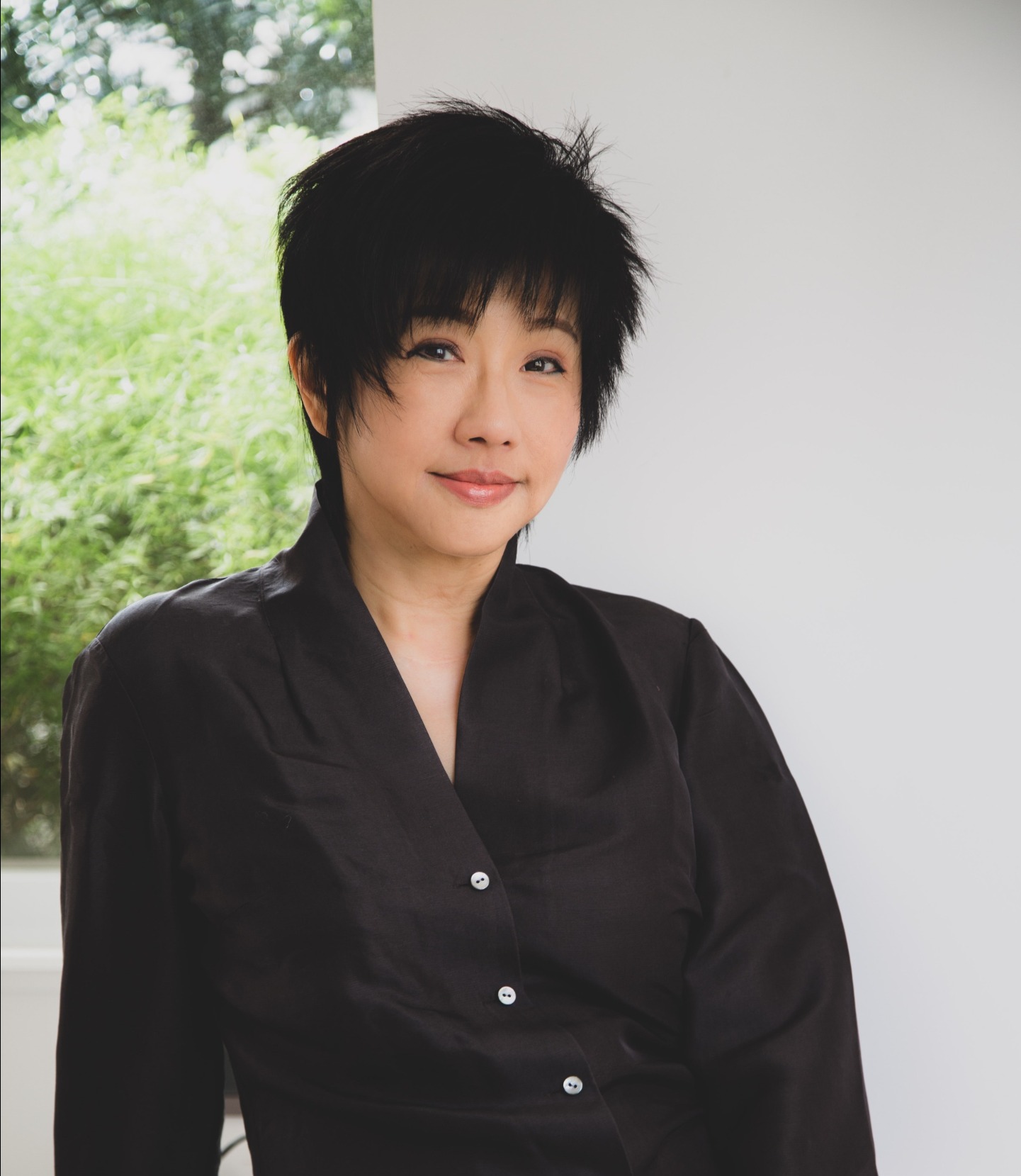
“CHENHOW MARBLE offers an exceptional and diverse selection. Visiting their showroom makes stone selection not only precise and comfortable, but often genuinely inspiring. Over the years, I’ve watched them continually evolve into a remarkably forward-thinking brand.”
— Lin Jie Rui, Design Director
Achievable Interior Design
Describing herself as an “alchemist of space,” Lin Jie Rui, Design Director of Achievable Interior Design, sees interior design as a process that is at once scientific and imaginative—a constant interplay between rational parameters and intuitive surprises. Through her command of colour, material, texture, light and shadow, she creates richly layered interiors whose character continues to unfold over time.
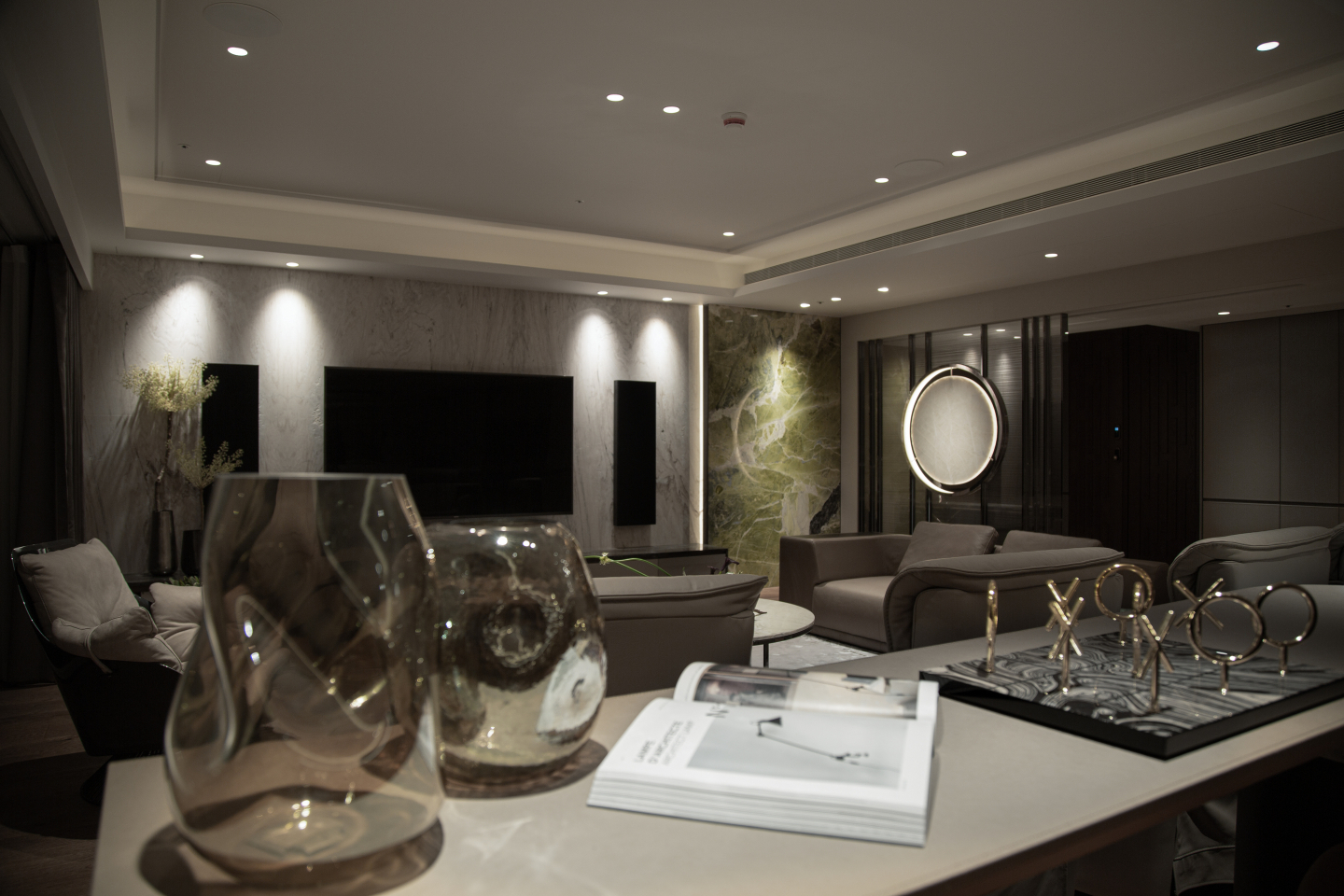
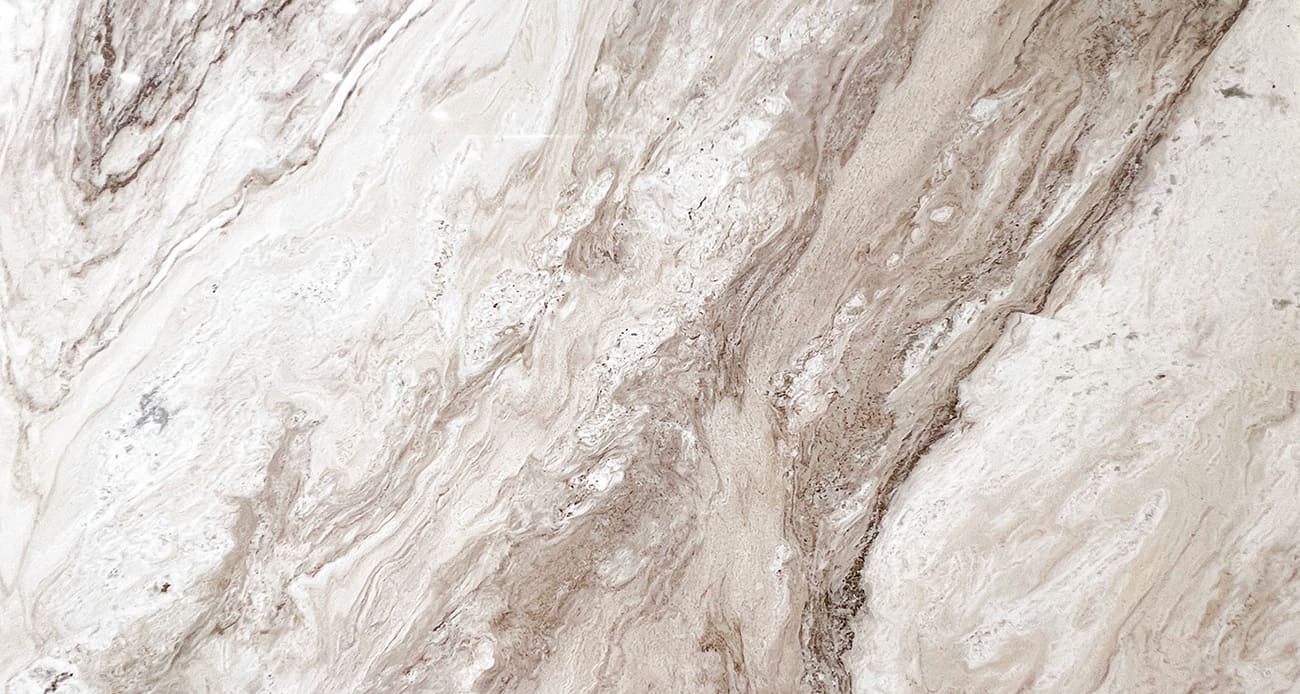
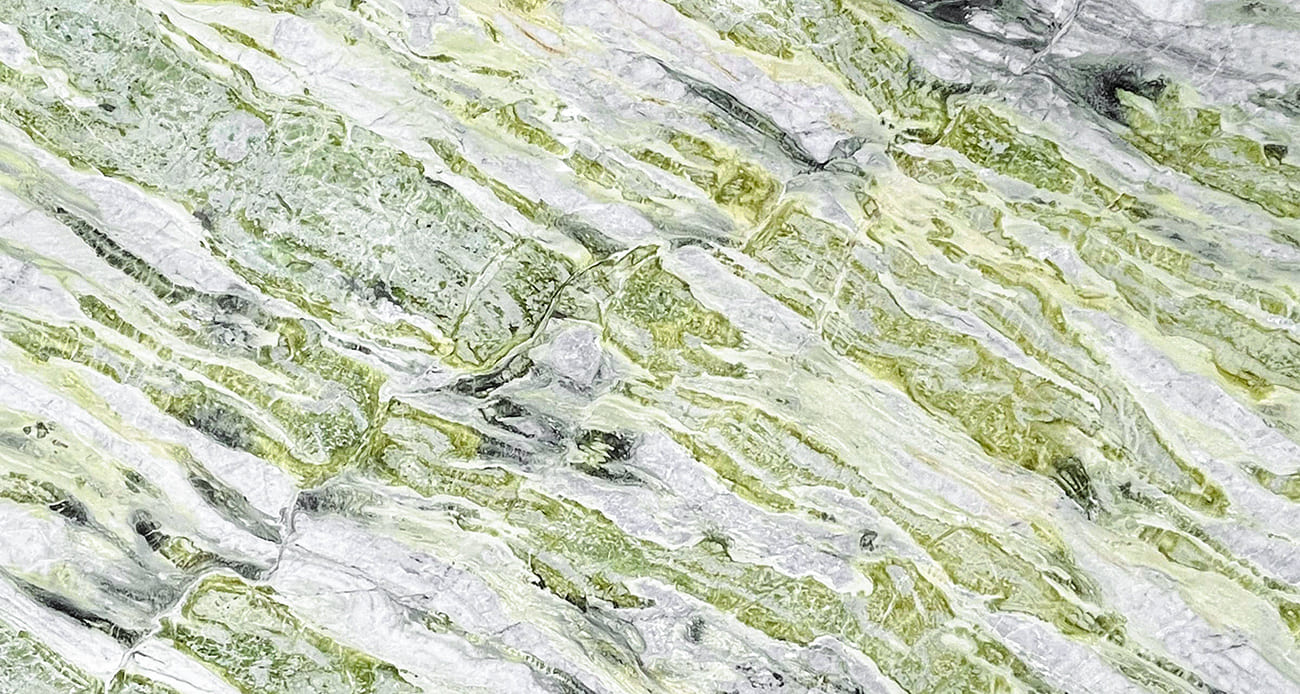
Image / Peace Palace, 「樂齡」 | An elegant and composed living room. Television feature wall: PALISSANDRO; feature wall: Irish Green.
Turning the Unexpected into Inspiration
Lin usually begins her mornings at an unhurried pace.
In the early light, she walks into the garden and waters the thriving plants before rolling out her yoga mat on the composite deck nearby. As she immerses herself in the movement of her body, her mood gradually lifts—and ideas begin to emerge.
After more than two decades in interior design and countless residential projects, Lin continues to believe that a home and its owner are reflections of one another. Our inner state is projected onto our surroundings, while the spaces around us, in turn, influence how we feel.
For Lin, a designer’s responsibility is to create an environment capable of returning something positive to its inhabitants. Whatever kind of day a homeowner has had, and whatever state of mind they bring through the door, the home should offer something restorative in return.
Lin compares the process to the work of a winemaker: understanding environmental conditions, drawing upon experience, adjusting the formula, and gradually allowing a distinctive character to develop.
Interior design works in much the same way.
A designer begins by understanding the client in depth and assessing the objective conditions of the site. From there, every element is brought into proportion while maintaining a subtle dynamic balance throughout the space.
“I emphasise dynamic balance because every element in an interior is interconnected. Change one thing and the character of the whole space shifts, even if only slightly. A designer has to understand those changes as they happen and continually rebalance the relationships between elements. There is never one fixed solution.”
That flexibility has become even more important in an age of information overload. Clients are constantly exposed to new images and ideas online, which means their expectations can evolve throughout the design process.
But Lin sees this not as a frustration, but as part of what makes the work interesting.
“Isn’t that exactly what makes each vintage unique—the climate and conditions are different every year? Clients are the same. They often bring unexpected inspiration to a project, and that becomes a challenge for the designer as well. To me, that’s one of the most interesting things about interior design.”
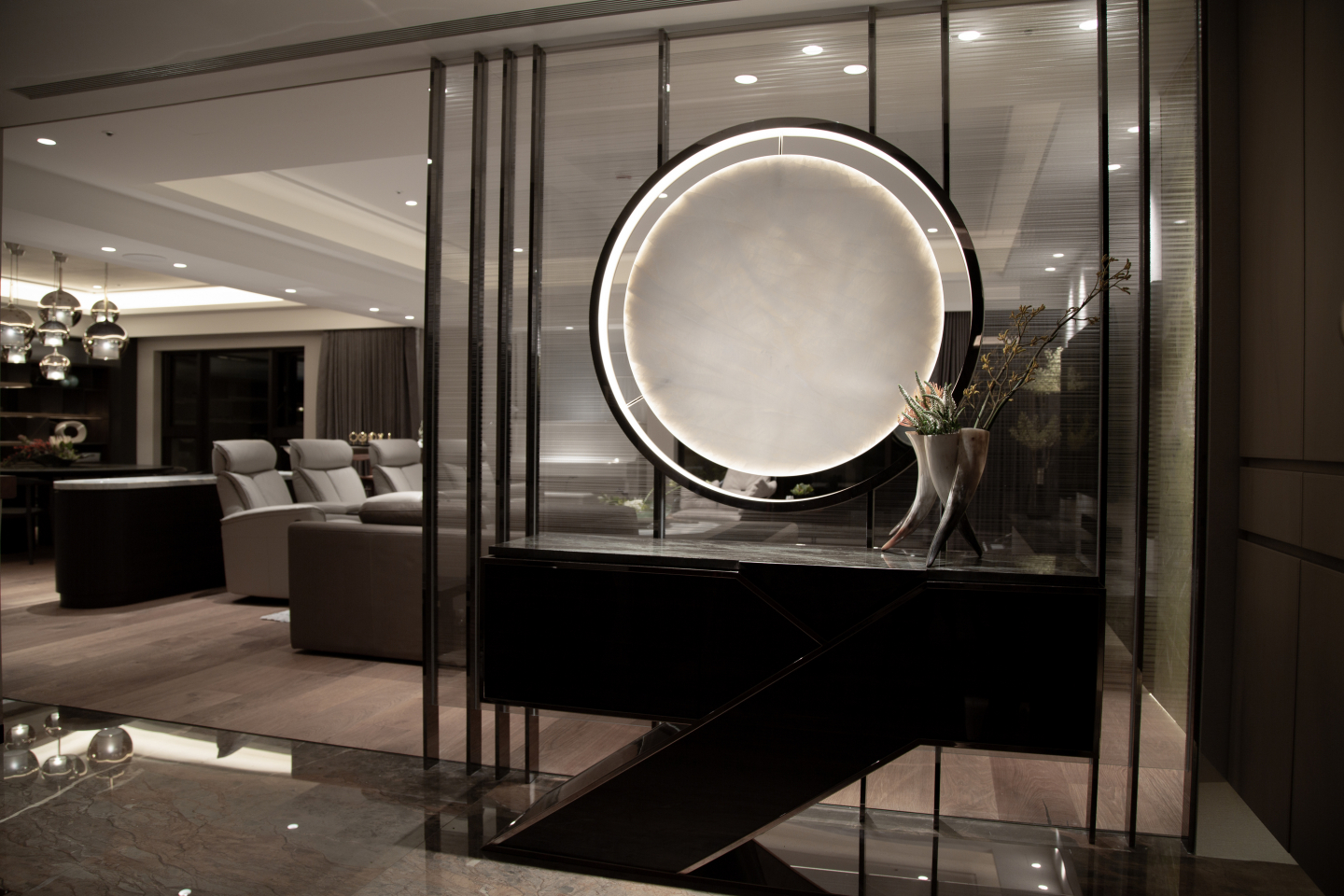
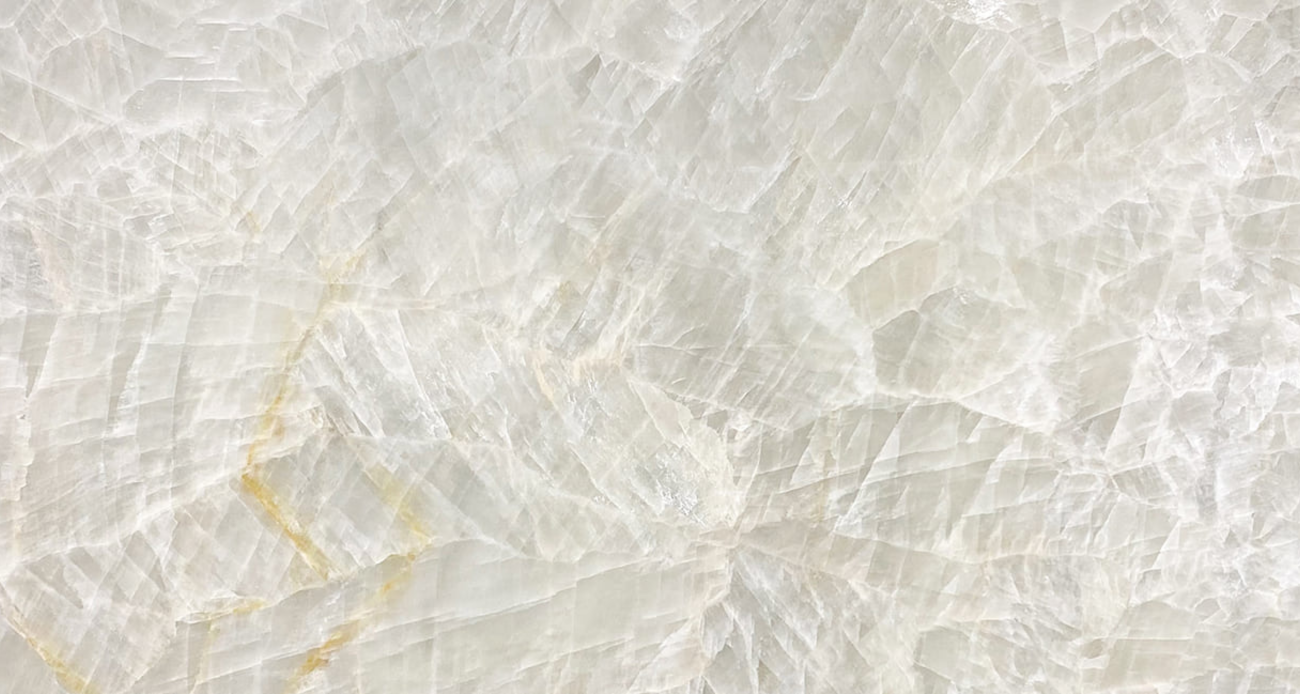
Image / Peace Palace, 「樂齡」 | Entrance design featuring circular-cut 「珍珠白玉」 enhanced by carefully considered lighting.
Layers of Imagery, Designed to Unfold Over Time
Just as something naturally matured can possess layers of flavour that cannot simply be replicated through a formula, Lin creates depth through the composition, juxtaposition, gradation, and contrast of different surfaces and materials.
Natural stone is one of her favourite elements within that palette.
In 「樂齡」, a residence at Peace Palace, the entrance screen creates an almost poetic scene: a branch-like form quietly frames a luminous full moon, represented by a circular piece of translucent 「珍珠白玉」 stone.
The composition was created with the homeowner and his family in mind. One day, when his beloved granddaughter leaves to study abroad, Lin imagines that seeing the moon from another part of the world might bring back memories of the time she spent at her grandfather’s home—a familiar image connecting them across distance.
Beneath the luminous 「珍珠白玉」, cabinetry finished with Madeirus extends the material language towards the living room and introduces another landscape altogether.
The natural patterns of Madeirus suggest a river winding through a valley. Above it, the warm golden tones of PALISSANDRO evoke an expansive desert landscape, while Irish Green appears beside them like a vivid oasis.
Within only a few metres, Lin brings together three distinctly different stones, each contributing its own imagery while remaining part of a coherent composition.
The result transforms an everyday domestic interior into something closer to an installation artwork—layered enough to reveal new details and associations over time.
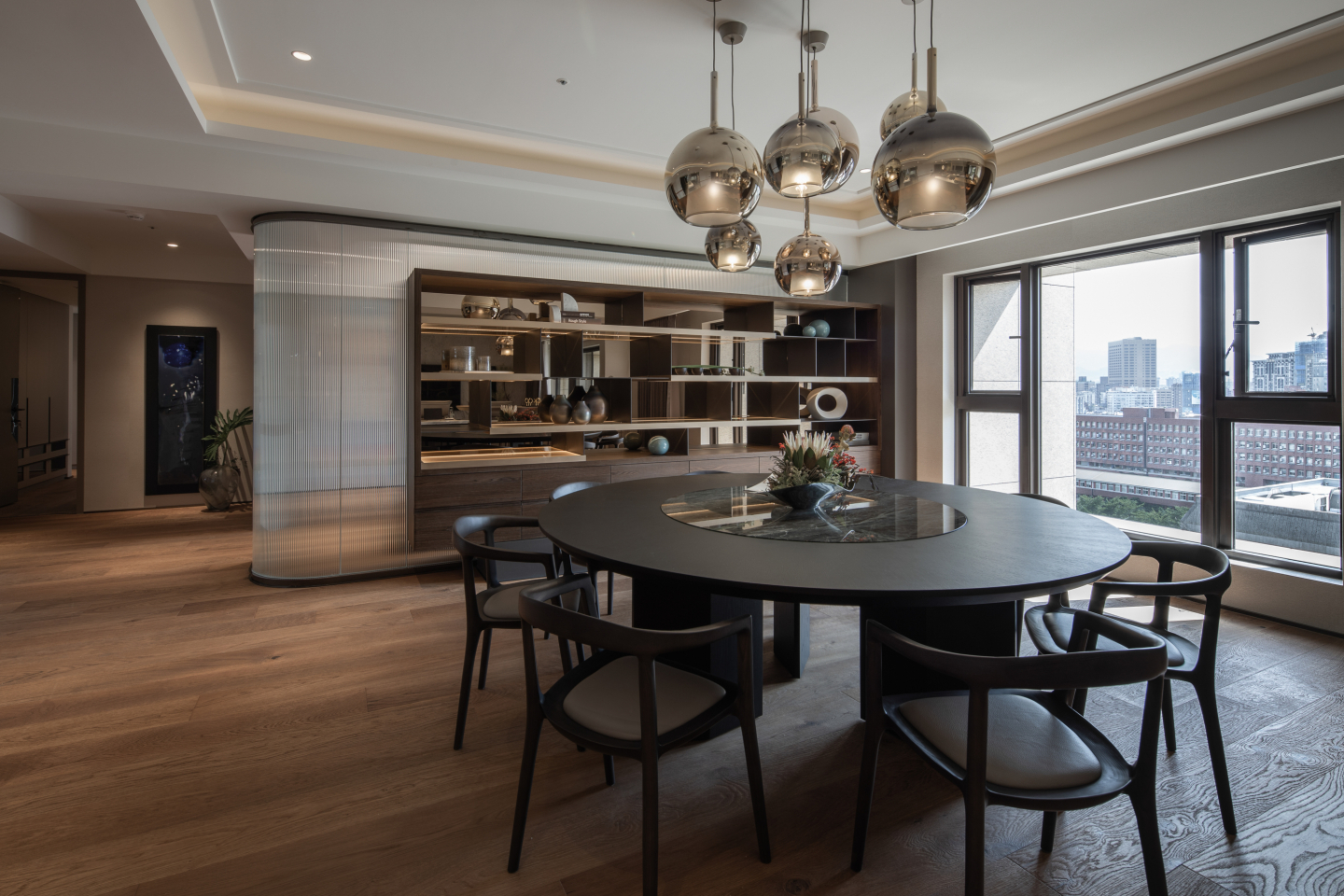
Image / Peace Palace, 「樂齡」 | A dining area defined by understated luxury.
Natural Stone in the Mix
Q: In the Peace Palace 「樂齡」 project, you combined several different stones to create a richly layered composition. What is the key to working successfully with multiple materials in this way?
A: I think assigning the right role to each stone is extremely important.
You have to establish the hierarchy from the beginning and then select the materials accordingly.
At the entrance, for example, 「珍珠白玉」 plays the leading role, while Madeirus supports it. In the living room, PALISSANDRO provides a quieter backdrop that allows the vivid green stone to stand out, while the river-valley pattern below functions more as an accent.
Scale also matters. The softer golden stone occupies a larger surface area, while Irish Green is smaller but much more visually striking. That creates a very balanced composition.
Q: When you actually select the stone, do you follow that same hierarchy—choosing the leading material first and the supporting ones afterwards?
A: Ideally, yes. You select the protagonist first, then choose the supporting materials according to its character.
But unexpected encounters happen all the time during this process, and a good designer needs to know how to turn those surprises into opportunities.
At Peace Palace, for instance, logically we should have selected the main stone for the living room first because that space plays such an important role in the overall layout.
But the moment we arrived at CHENHOW MARBLE, 「珍珠白玉」 immediately caught our eye.
Irish Green was another surprise. The male homeowner didn’t particularly like green, but the female homeowner absolutely loved this stone. In the end, it became part of a combination that exceeded our expectations.
That is the beauty of allowing room for the unexpected.
Q: What do you consider when choosing natural stone?
A: The first step is always to look at the overall interior and determine where the stone will be used.
It is also worth considering how the material will be experienced from different distances. A stone viewed from across a room can create a very different impression from one seen and touched at close range, and that should influence the selection.
I also remind clients that stone used in frequently touched or heavily used areas—such as bathrooms, bar counters, and dining tables—requires regular care. Maintenance does not necessarily have to be frequent, but appropriate periodic care is important for preserving natural stone over time.
And of course, there is the individuality and rarity of the stone itself. For an important feature wall, you generally want something with enough character to justify its presence.
That is one reason our experience working with CHENHOW MARBLE has been so enjoyable.
Ten years ago, choosing stone could be exhausting. You would set aside an entire day without knowing how many suppliers you might have to visit before finding something exceptional.
CHENHOW MARBLE offers an outstanding and diverse selection, so visiting their showroom makes the process far more focused. The environment is comfortable, and very often the materials themselves spark new ideas.
Over the years, I’ve watched the brand continually challenge and improve itself, becoming increasingly forward-thinking. For designers and homeowners alike, that is something truly valuable.
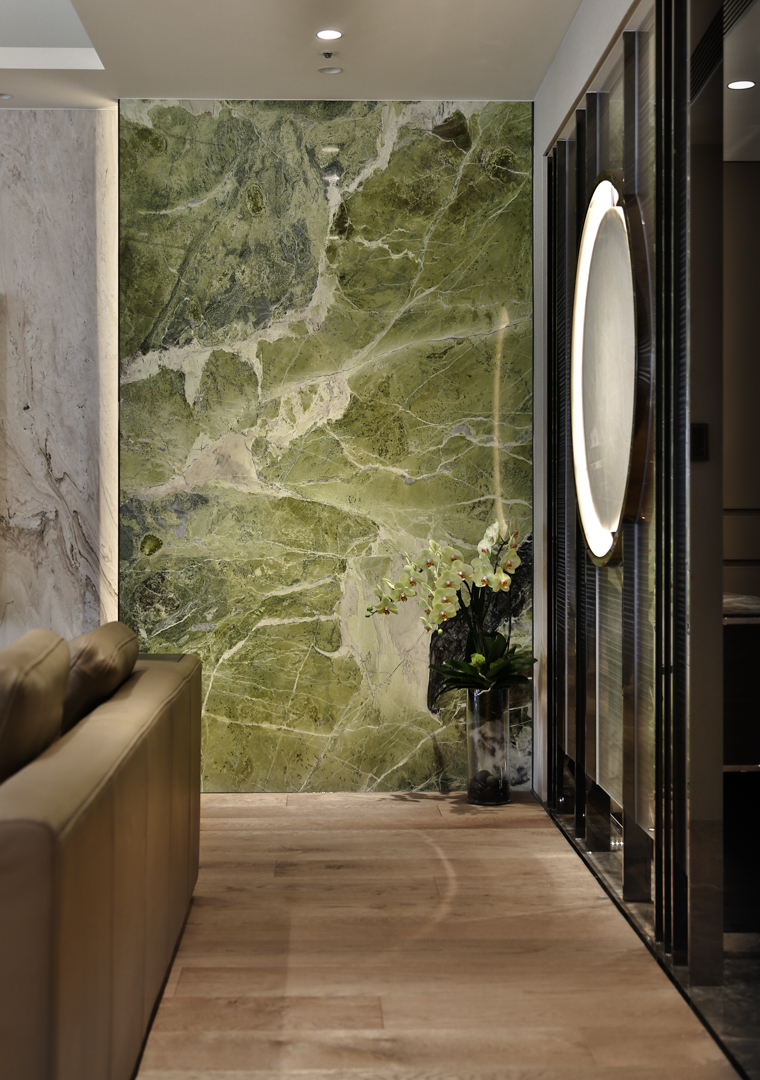
Image / Peace Palace, 「樂齡」 | Irish Green reveals its vivid character under carefully directed light.
Epilogue
The moment our video call connected, an energetic figure appeared on screen.
Soft, clear sunlight fell across the pale furniture behind Lin, giving the entire scene such a fresh and effortless quality that it could almost have been a frame from a commercial.
If this was the result of the morning ritual she had described—tending to the plants in her garden, followed by yoga in the open air—then perhaps her philosophy of design was already visible in the setting around her.
The most meaningful homes do more than look beautiful. They create an environment that can influence how we feel, helping us clear away the noise of everyday life and reconnect with something calmer and more essential within ourselves.