
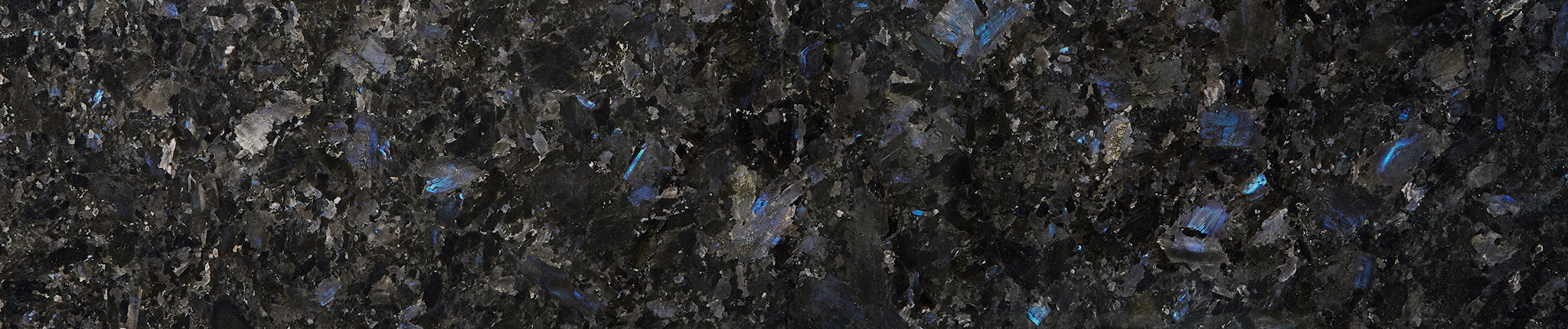

“CHENHOW MARBLE is like the Hermès of the stone world—the best of the best. I never worry about quality. My only concern is whether I’ll be lucky enough to find the one stone that works perfectly with the space. After all, every slab is one of a kind.”
— Chu Huang Shih, Design Director
shizhu design (S.Z.D)
As a child, Chu Huang Shih was fascinated by interior and lifestyle magazines, dreaming that one day he would create a home of his own. More than a decade of professional experience later, that original passion remains unchanged. If anything, the knowledge and creative energy he has accumulated now allow him to do the same for many more people—helping families and brands create interiors with a character entirely their own.
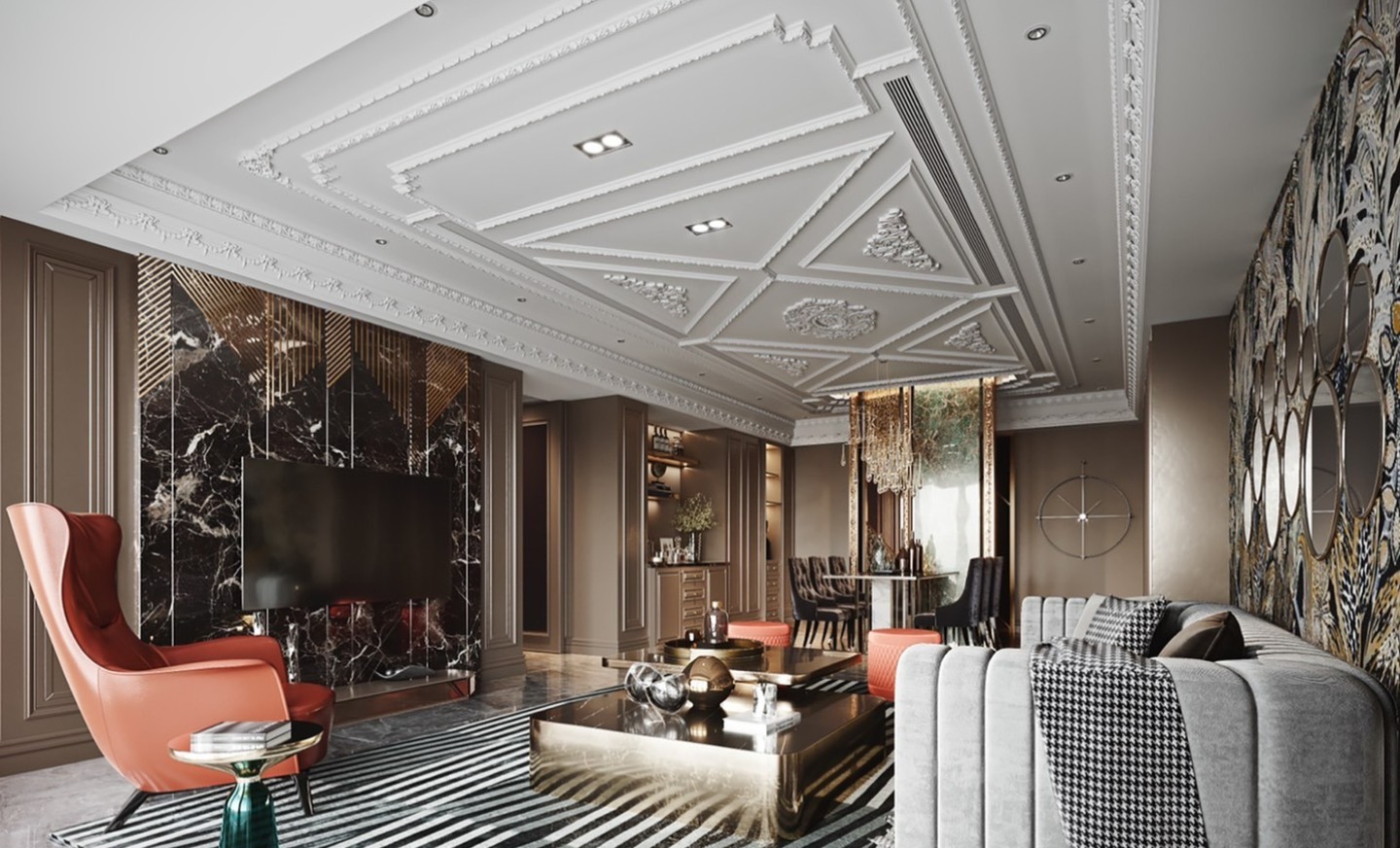
Image / An interior inspired by the Grand Canyon.
An Interior as a Reflection of Its Owner
“How do I decide on a design style? I just talk to the client about everything under the sun!”
Chu laughs as he explains that after 15 years in interior design, he no longer feels the need to define a project through a particular style. Instead, he constantly looks for ways to break away from established formulas and familiar conventions. Most of his clients, he notes, do not arrive with a specific style in mind either.
“One client spent a long time telling me about his memories of travelling through the Grand Canyon. The more I listened, the more certain I became that his new home should be built around an earthy colour palette. He loved the result, and of course that made me happy too.”
For Chu, the lives of other people are among a designer’s greatest sources of inspiration.
The story also illustrates how important observation is to his work. The way someone speaks, dresses, and presents themselves can unconsciously reveal a great deal about what they like.
“I translate the client as I see them—their personality and individual qualities—into an interior. That’s the design language I’m most comfortable with.”
Creating a space specifically for each individual client remains one of Chu’s most consistent pursuits.
“Whenever I see a space I designed in the past, the connection is so strong that I can almost immediately remember who the client was.”
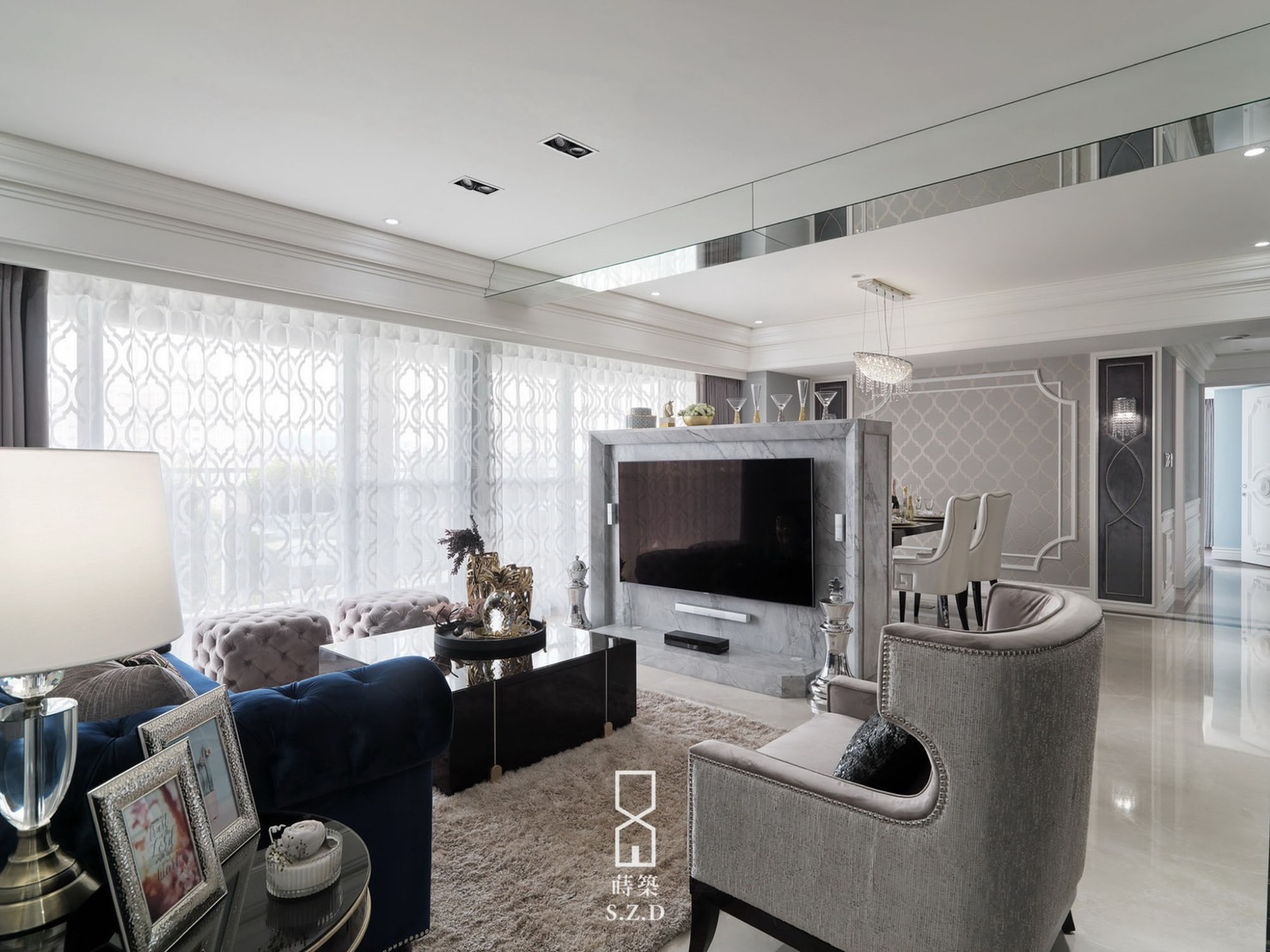
Image / Neoclassical interior | Snow Feast
Exploring Neoclassical Design, Recognised by the A' Design Award
Observation alone, however, is not enough without professional knowledge to support it.
Curious about almost everything around him, Chu initially immersed himself in Neoclassical design. His residential project Snow Feast later received recognition at the A' Design Award and Competition.
For Chu, contemporary Neoclassical interiors offer a way to move beyond the ornamental complexity often associated with traditional Classical design, replacing elaborate detailing with cleaner lines and restrained decorative moulding while retaining a sense of elegance.
Yet Neoclassical design is only a broad starting point. Within it, Chu sees endless opportunities for experimentation.
One approach is to introduce elements from other styles: delicate floral patterns might evoke the atmosphere of the South of France, while generous, plush furnishings can create a more relaxed American-inspired character.
Another is to combine contrasting materials—for example, pairing decorative moulding with natural stone to reinterpret Neoclassical language through a contemporary lens.
A third is to take familiar architectural elements out of their expected context. Mouldings traditionally associated with ceilings, for instance, can be repositioned on walls. Once designers stop insisting on rigid definitions, familiar elements can be recombined in new and contemporary ways.
“It’s so flexible and interesting that you naturally want to keep exploring, just to see what other surprises you might discover.”
Chu also believes that a good interior designer needs rich experiences beyond design itself.
“A good interior designer needs to experience life well.”
Travel allows designers to inhabit spaces created by others. Jewellery, watches, automobiles, exhibitions, hotels, and luxury brands can all offer insight into how people with highly developed aesthetic preferences experience objects and environments.
“There are things worth seeing everywhere in life. Anything can become a source of inspiration.”
Chu absorbs these experiences into an ever-expanding personal library of ideas, ready to be drawn upon when the right client and project eventually appear.
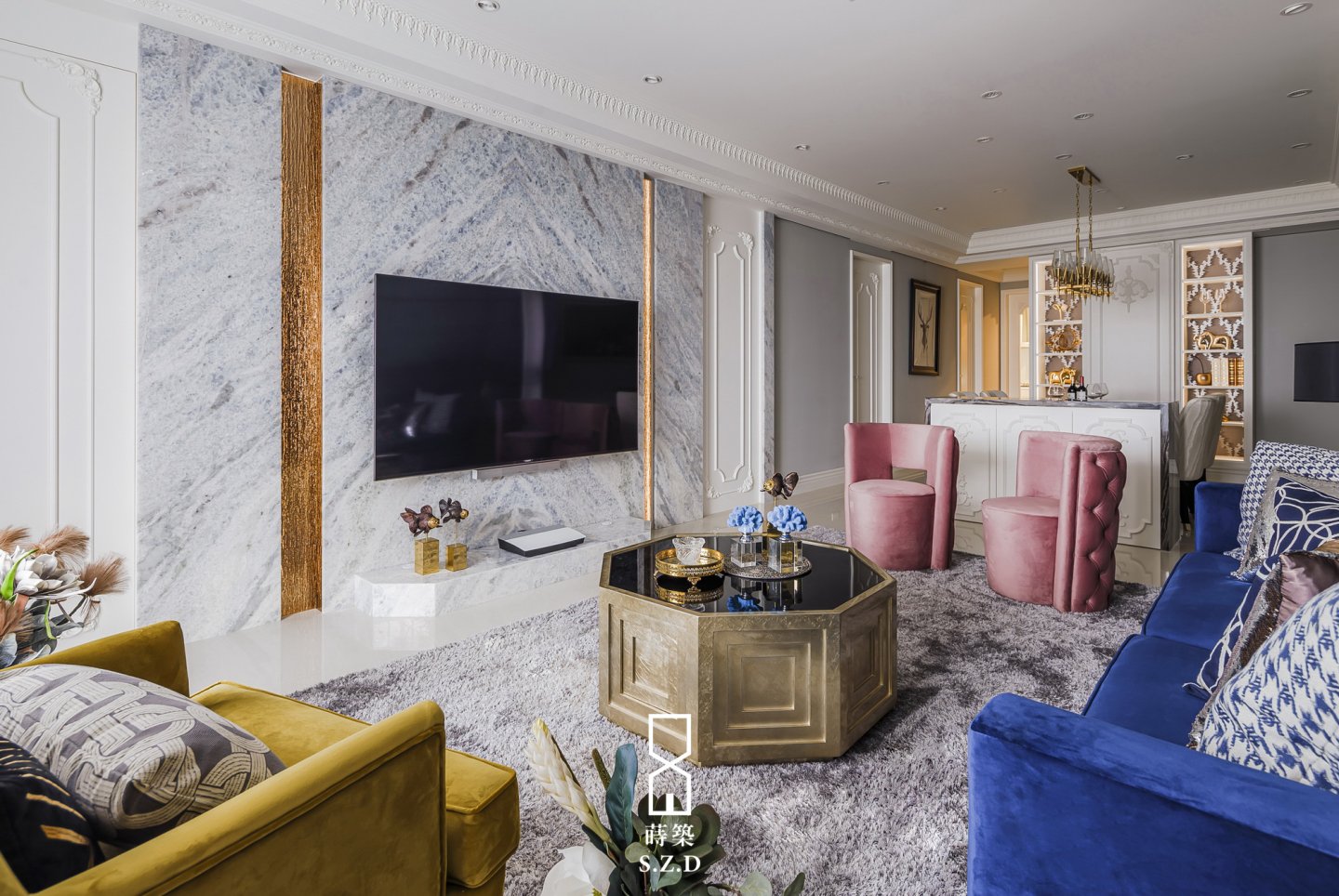
Image / Television feature wall | Blue Crystal
Finding the Right Place for Every Work of Natural Stone
Q: Compared with other building materials, what qualities does natural stone offer, and what kind of atmosphere can it create?
A: From a practical perspective, depending on the type, natural stone can offer excellent durability. But when people choose stone, what they are usually drawn to most is the beauty of its natural patterns.
You will never find two pieces of natural stone that are exactly alike. Each one is almost like an artwork created entirely by nature—something manufactured materials can never truly reproduce.
Seen from another perspective, that individuality also allows a home to express the owner’s appreciation for a more considered and refined way of living.
Q: How can stone be used effectively in both smaller and larger homes?
A: Regardless of the size of a home, stone is often used in key areas such as entrance flooring, television feature walls, or the wall behind a sofa. These surfaces can help define the character of a space.
In a refined residence of around 20 ping, for example, I might choose a quieter stone with restrained veining so that the interior feels more open and spacious.
A larger luxury residence gives you the freedom to use materials much more expansively and generously. I once selected a crystal-like stone for a large area of flooring. Its subtle shimmer became even more pronounced under the lighting, creating a very impressive sense of scale and presence.
Q: How do you use stone from CHENHOW MARBLE to create a refined interior?
A: I begin by understanding the client’s preferred style and colour palette.
Some male homeowners, for example, are drawn to stone with a bold and commanding presence, so I’ll make recommendations in that direction. When it comes to the specific natural pattern, however, personal preference becomes much more subjective, and I generally allow the client to make the final decision.
Beyond aesthetics, the intended application also matters.
If the stone is going to be used for entrance flooring, durability becomes an important consideration. Granite is often a practical choice because its mineral composition generally gives it good hardness and durability, making everyday use and maintenance relatively straightforward for the homeowner.
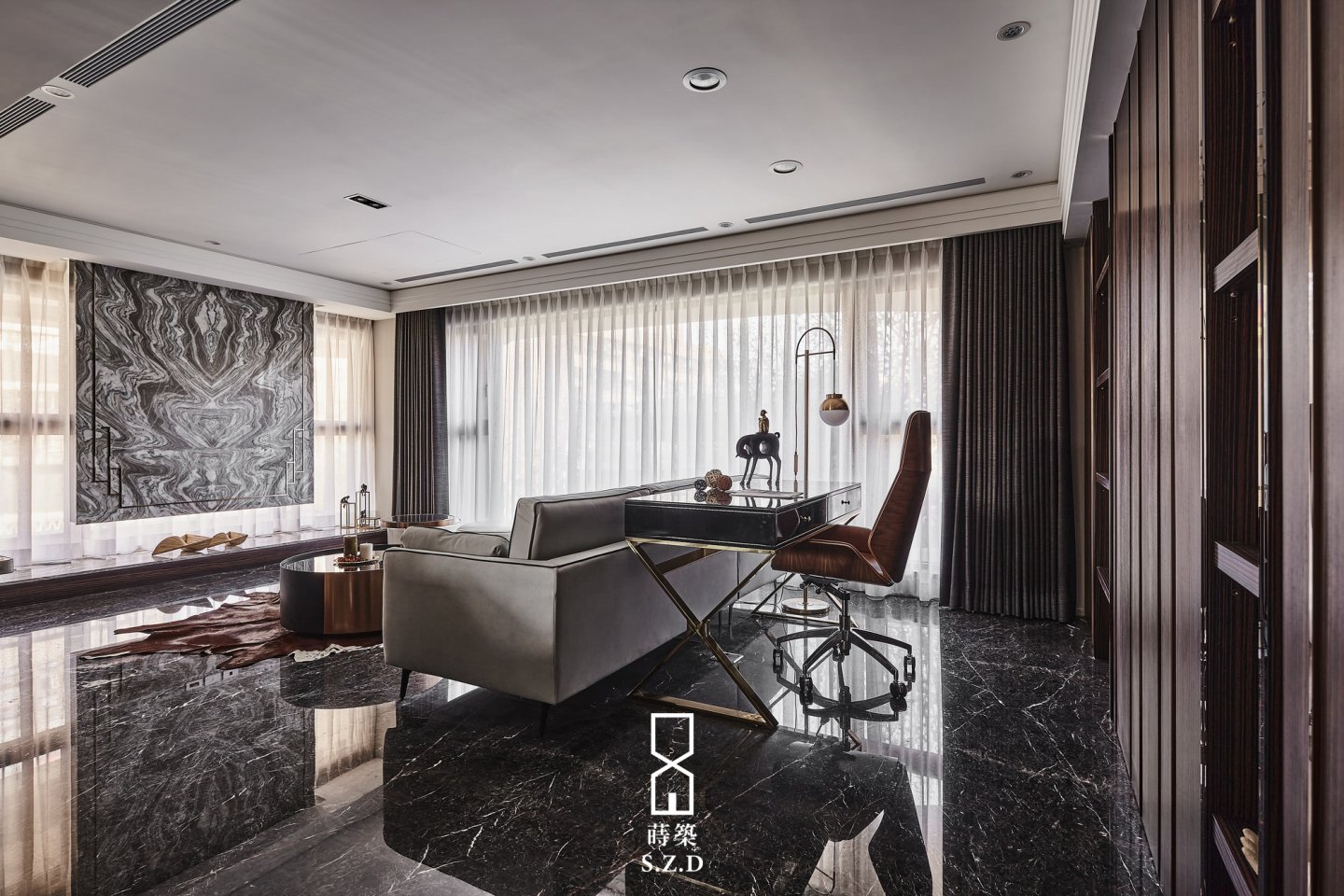
Image / Flooring | "金龍石" stone.
Q: Why have you continued working with CHENHOW MARBLE over the years?
A: CHENHOW MARBLE is like the Hermès of the stone world—the best of the best. I never worry about quality. My only concern is whether I’ll be lucky enough to encounter the one stone that creates the perfect effect within the space. After all, every slab is unique in the world.
To continue from our earlier discussion about scale, in one more compact residence I selected a single seamless slab of “金龍石” stone for the floor.
Its greatest quality is its mirror-like polish and lustre, which also helps create a greater sense of openness within the interior.
In another project, the overall colour palette was noticeably more vibrant. We selected Blue Crystal for the television feature wall, where carefully positioned lighting further accentuated its sparkling, crystalline quality.
Natural stone does not have to be treated only as a building material. It can also be appreciated as a work of art.
UNO, for example, looks almost as though it were painted by nature itself—an abstract composition created through sweeping washes of ink. I framed the stone in gold and suspended it in the entrance, allowing it to function as an artwork in its own right.
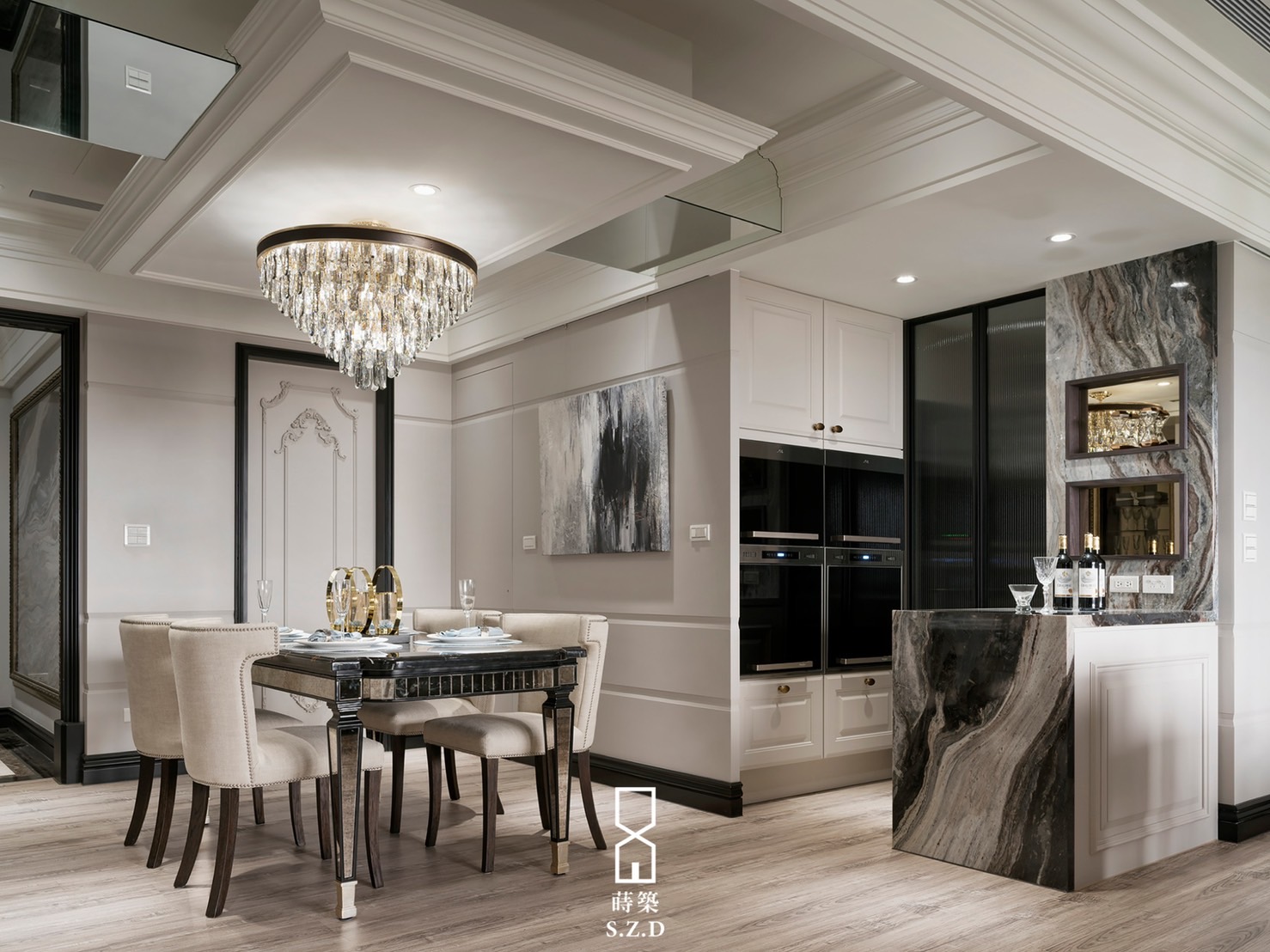
Image / Bar counter and wall | UNO
Epilogue
Chu loves observing people, and he loves talking with them. Through conversation, he gradually pieces together the clues that reveal the design language best suited to each client.
I joked that perhaps he was a psychologist who simply happened to become an interior designer—his eye for people seemed that perceptive.
Chu only laughed.
“It’s really not that mysterious. I simply take every client seriously and give every project everything I have.”
Perhaps that straightforward answer says more about his approach than any elaborate design philosophy could.
Behind the observation, intuition, and accumulated experience is a simple commitment: to understand each client as an individual and create a space that could belong to no one else.