
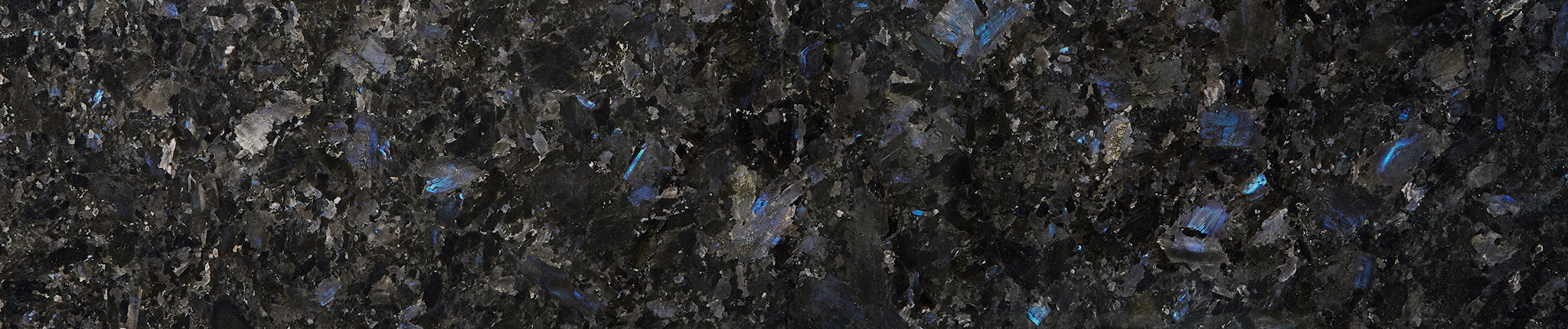

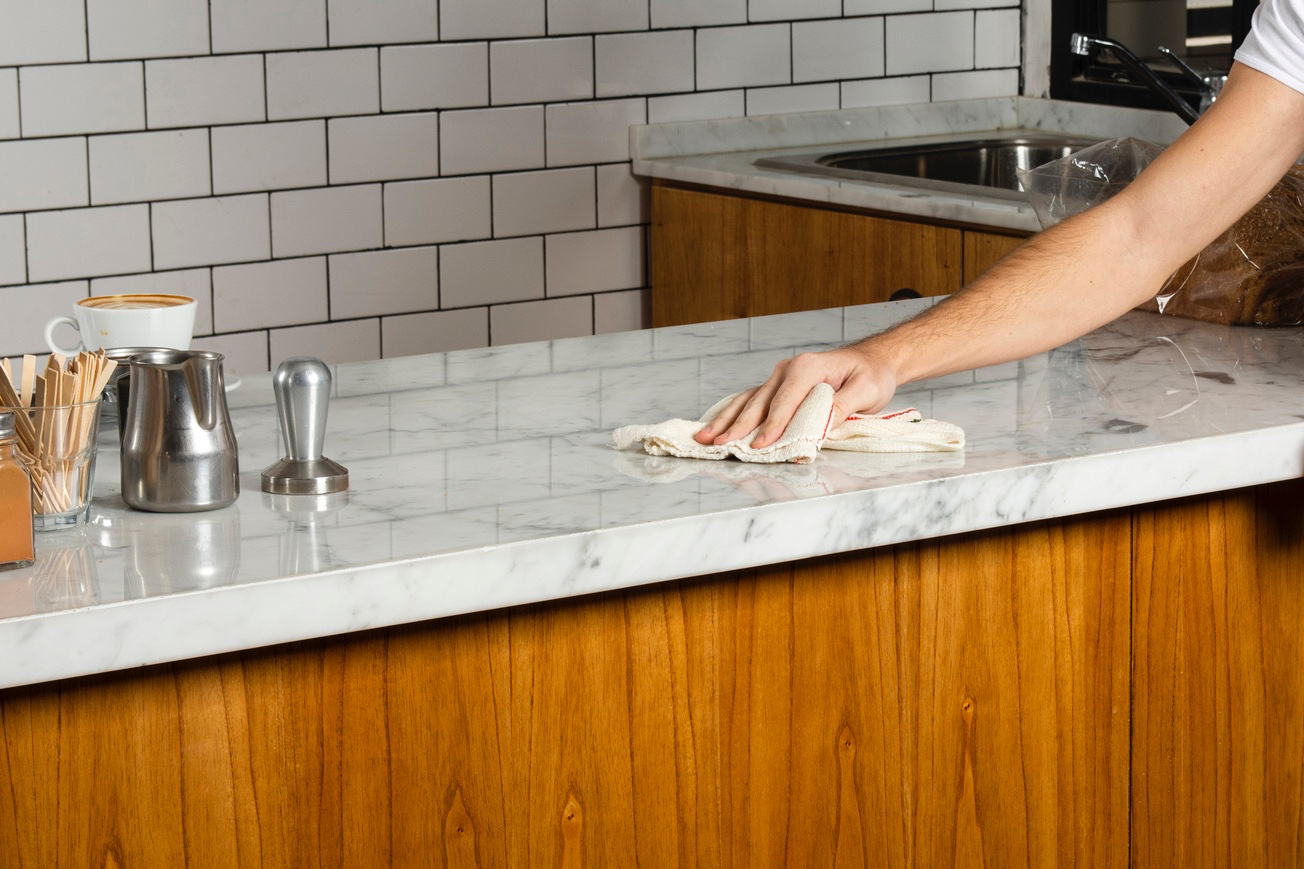
Many people are captivated by the unique texture and unrepeatable veining of natural stone, yet hesitate when bringing marble into their homes. The dilemma rarely stems from aesthetics, but rather from uncertainty surrounding daily use, longevity, and long-term care.
Overcoming the Fear of Natural Stone
Why do many homeowners hold a love-hate relationship with natural stone? The answer lies in the ambiguity of "aftercare risks."
Common misgivings include:
-
Uncertainty around proper care: How to clean surfaces correctly without causing damage.
-
Repair capability: Whether staining, surface etching, or deep discoloration can be restored—and who possesses the expertise to handle it.
-
Cost concerns: Fear of exorbitant long-term maintenance and professional restoration fees.
-
Lack of dedicated support: Ambiguous service channels leaving homeowners without clear guidance.
Fragmented, conflicting advice found online often amplifies these concerns, turning a luxurious material choice into a psychological burden. Hesitation is a natural response when there is a lack of clear understanding regarding material physics, daily maintenance, and professional post-installation support.
 Effortless Daily Care: It Comes Down to Everyday Habits
The patina of natural stone evolves through daily living rather than tedious, complex maintenance routines.
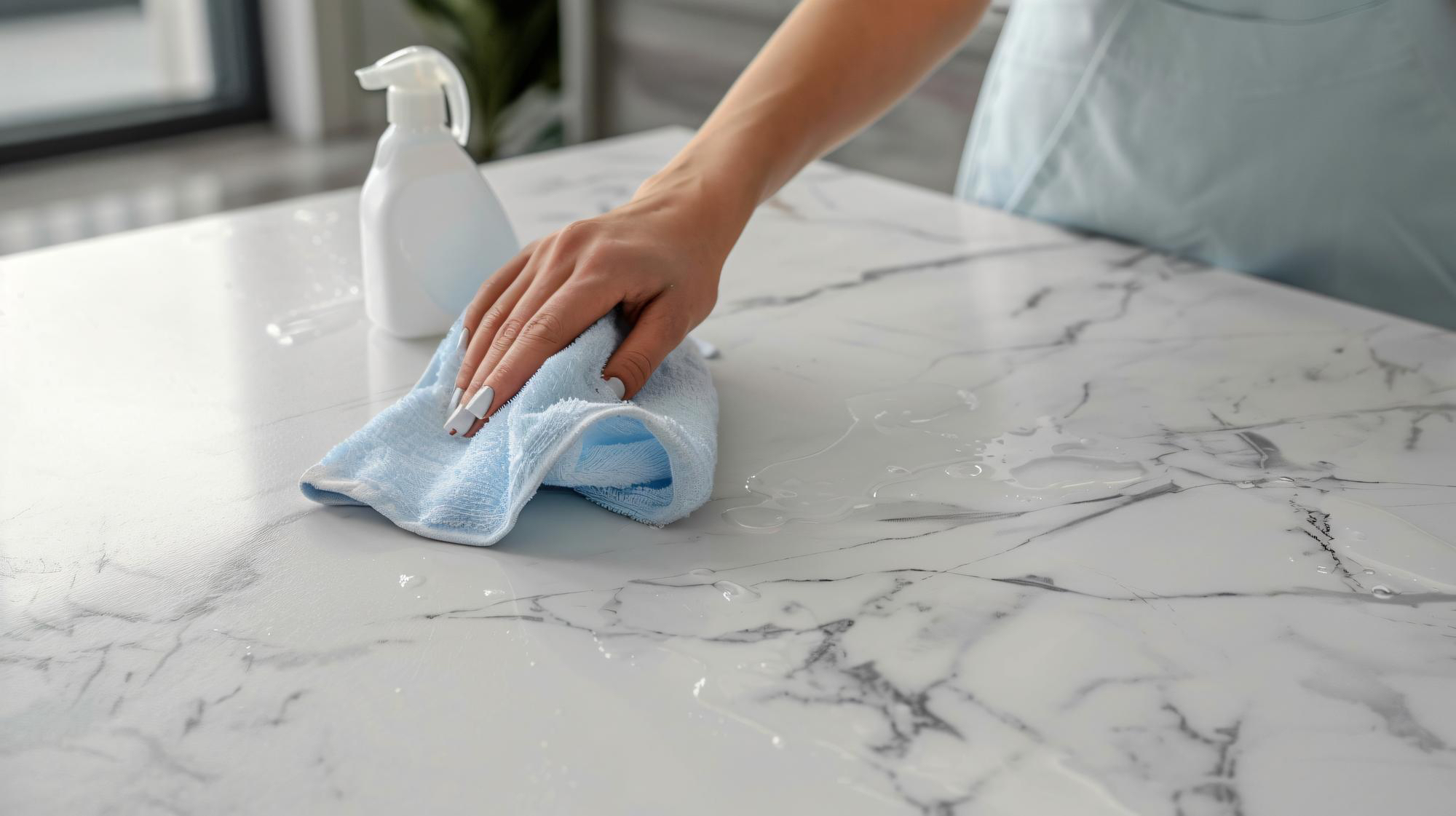
Whether dealing with marble, granite, or quartzite, maintaining natural stone is remarkably simple once you master the correct principles and avoid common pitfalls. The following guidelines ensure your natural stone retains its timeless radiance over decades.
1. Essential Everyday Guidelines
-
Routine Cleaning: Wipe surface dust with a dry or slightly damp microfiber cloth to prevent grit accumulation.
-
Ventilation & Dryness: Maintain balanced humidity and avoid prolonged moisture retention in stagnant environments.
-
Addressing Oil Spills: Use a mild, pH-neutral dish soap diluted with water for minor grease spots.
-
Managing Acidic Liquids: Natural stone possesses microscopic pores. If acidic beverages—such as tea, coffee, lemon juice, or red wine—are accidentally spilled, wipe them immediately with a clean, damp cloth to prevent chemical etching or staining.
2. Practices to Strictly Avoid
-
Impact & Thermal Shock: Avoid dropping heavy objects or striking sharp utensils directly against stone edges to prevent chipping, spalling, or structural loosening.
-
Abrasive Cleaning Tools: Do not use abrasive scouring pads, steel wool, or harsh scrubbing brushes that scratch the surface polish.
-
Corrosive Chemical Cleaners: Strictly avoid cleaners containing vinegar, ammonia, citric acid, hydrochloric acid, hydrofluoric acid, or solvent-based degreasers and adhesive removers. These chemical agents dissolve calcium structures and strip surface sealant—causing loss of polish, etching, or irreversible discoloration.
When to Seek Professional Stone Assessment
Over extended periods of high-frequency use, specific environmental factors may require expert attention. We recommend consulting stone restoration specialists if you encounter:
-
Deep geological pathology or rising dampness across wall and floor installations.
-
Diminished surface sealant protection resulting in rapid staining or grease absorption.
-
Localized scratching, loss of mirror polish, or surface roughness.
-
Chipped or cracked corners compromising structural integrity or safety.
-
Aging, discolored, or crumbling grout lines between stone slabs.
Debunking the Myth: Why Marble Earned a "High-Maintenance" Reputation
The widespread perception that natural stone is difficult to maintain originates from early residential experiences with classic marble types. Historically, popular marbles introduced across residential markets—such as Bianco Carrara, Travertine, Crema Marfil, Dino, Volakas, and Marquina—belonged to softer geological classifications with larger crystal grains and open pores, requiring meticulous care.
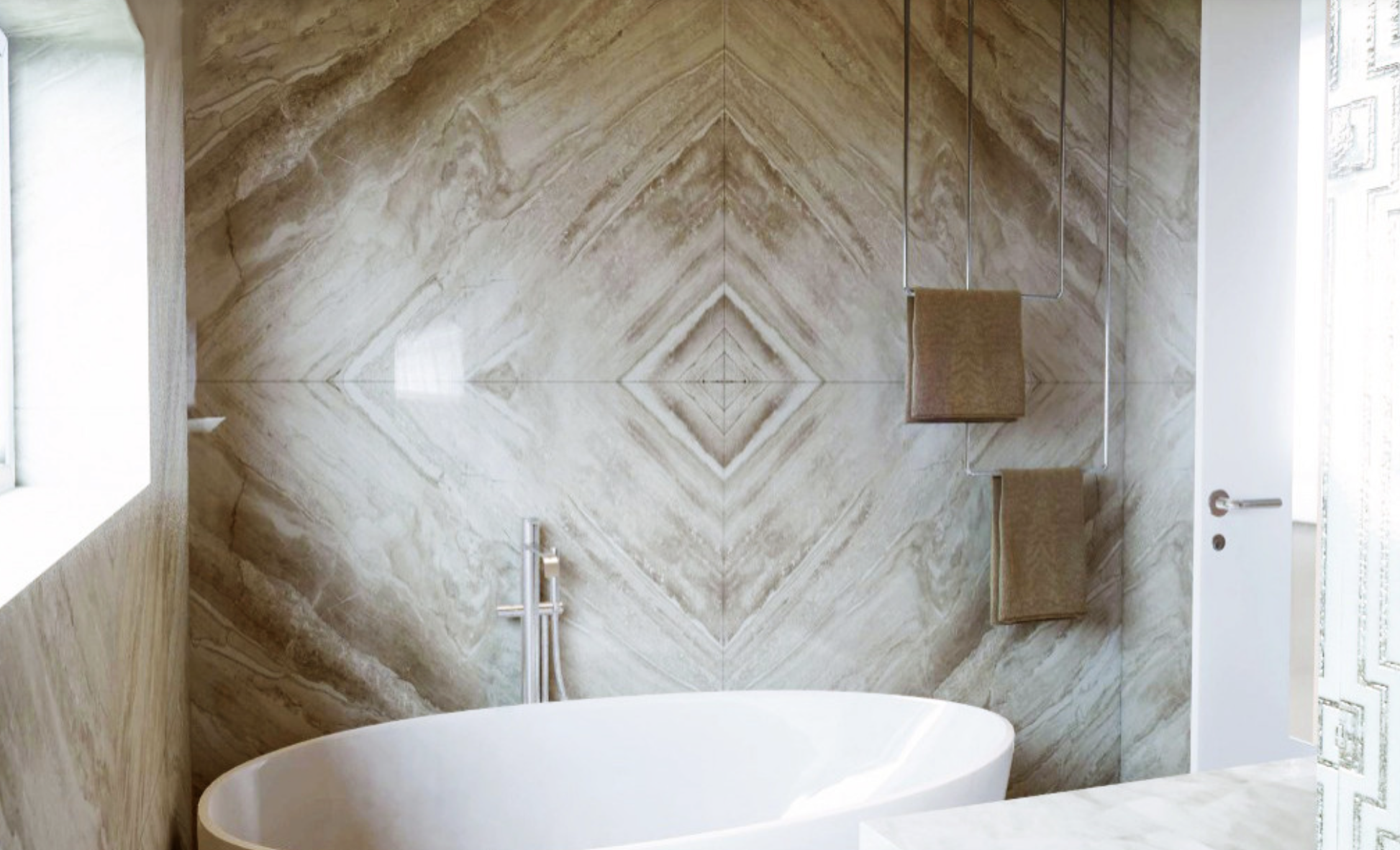
Granite and Quartzite: Engineered by Nature for Modern Living
With advancements in international quarrying technology and the rise of open-plan living and social kitchen islands, modern architectural preferences have shifted decisively toward Granite and Quartzite.
-
Marble (Mohs Hardness 3–5): Characterized by larger mineral grains and softer compositions, requiring thoughtful placement away from high-abrasion zones.
-
Granite (Mohs Hardness 5–7): Features a denser crystalline lattice, delivering superior wear resistance and thermal stability.
-
Quartzite (Mohs Hardness 7+): Offers extraordinary density, low water absorption, and exceptional hardness—surpassing daily cutlery and glass.
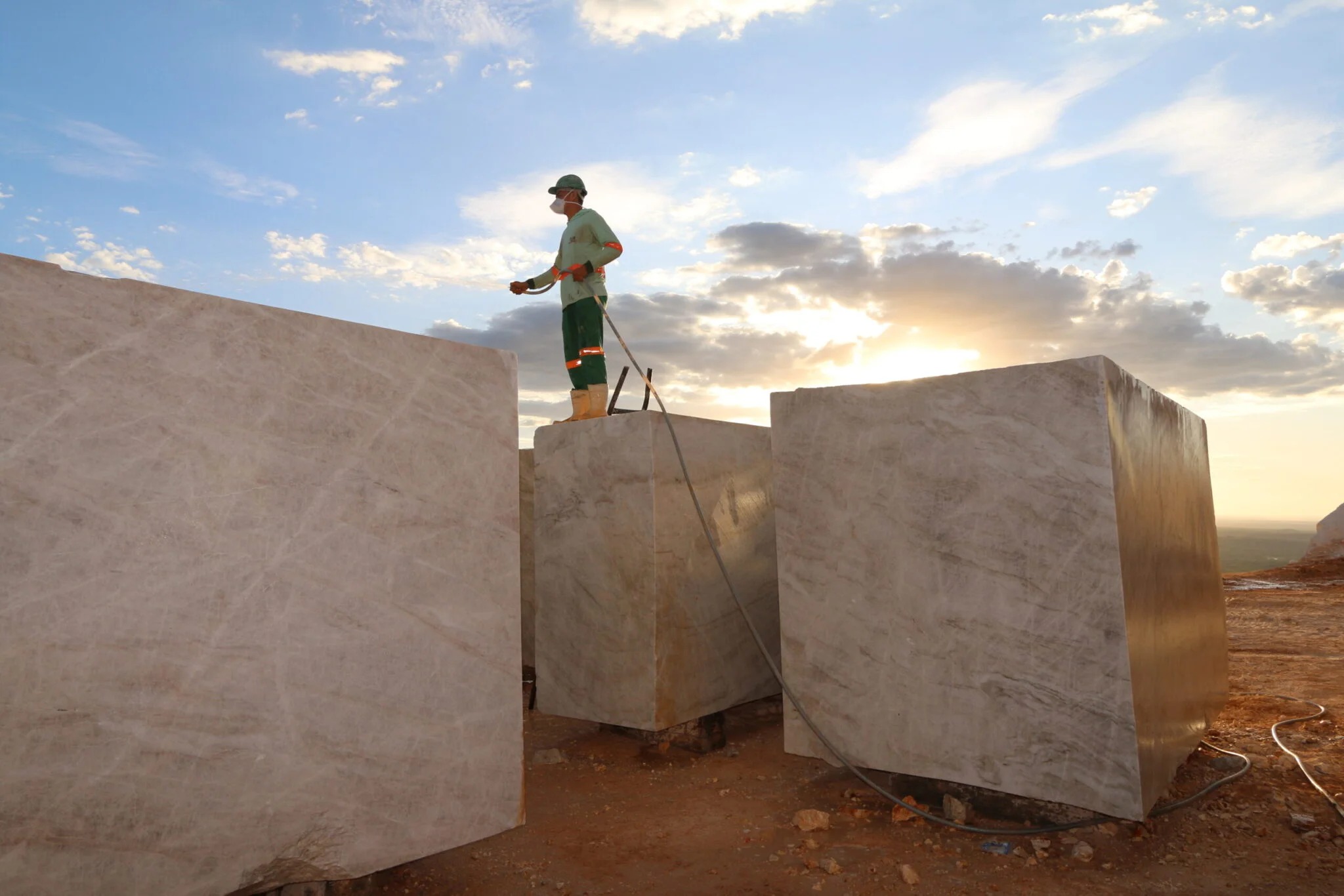
For high-use environments such as kitchen islands, dining tables, and main vanities, high-density granite and quartzite provide complete peace of mind during daily living. The global demand for hard, exotic minerals is exemplified by quarries such as Taj Mahal—widely regarded as one of the most successful quartzite deposits in architectural history.
A Partner in Architectural Longevity
Natural stone is not a static interior finish; it is a living medium that enters your home, receives your touch, and gently gathers the stories and memories of daily life over time.
At CHENHOW MARBLE, we care deeply not just about the moment a project is completed, but about how your space feels and performs years down the line. Proper material selection for specific zones, paired with informed daily care, ensures your investment remains pristine.
Should you have any questions regarding stone performance or surface assessment, CHENHOW MARBLE’s specialists are here to guide you—ensuring every piece of natural stone brought into your home stands timeless through the passage of time.

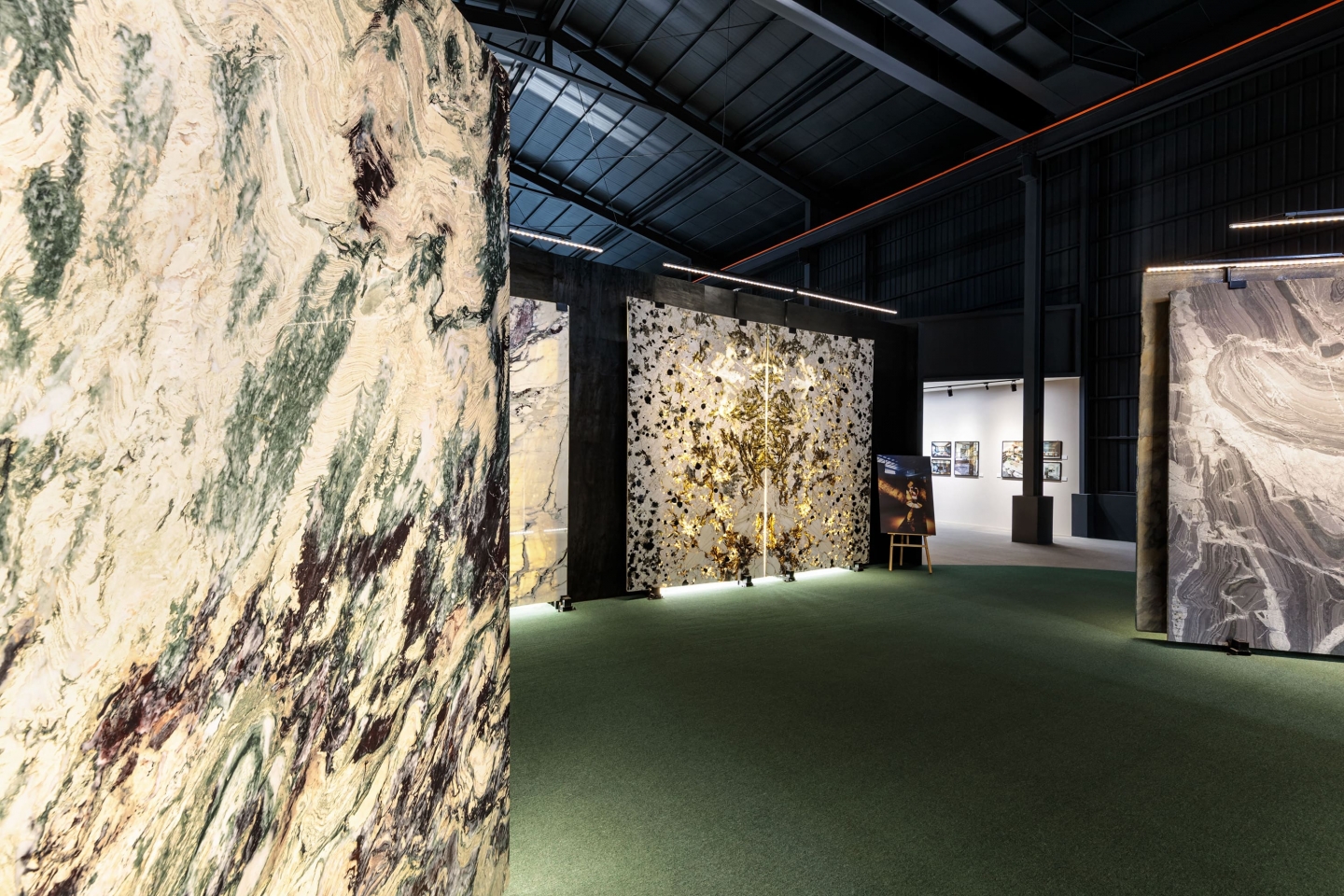


✦ 【Click Here for Digital Stone Selection】to explore our collector-grade virtual gallery.
✦ 【Connect via LINE Official Account】to begin a personalized consultation with our luxury stone specialists!
-
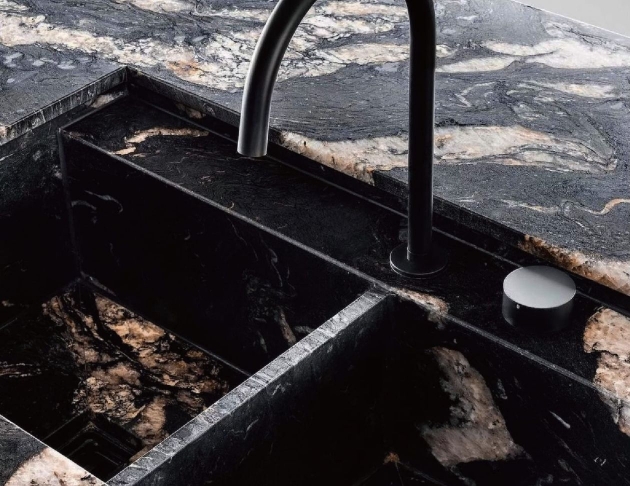
Stone Knowledge Selecting the Ideal Kitchen Countertop: The Geological Advantages of Mohs Hardness 6+ Natural Stone in High-End Residential Design -
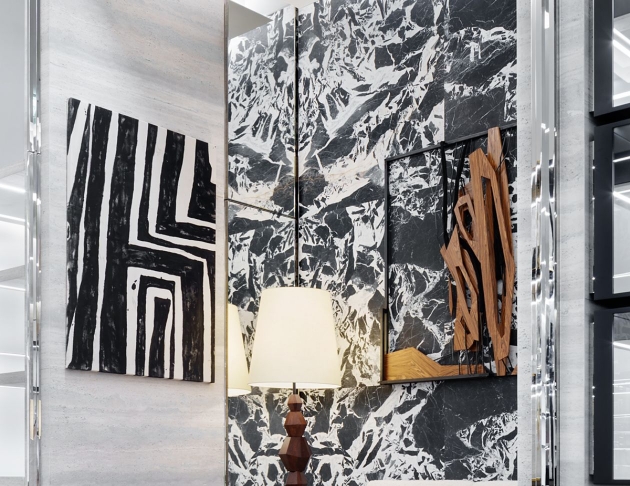
Stone Knowledge What is Luxury Stone? A Guide to Selecting, Pricing, and Designing with Exotic Natural Slabs -
Stone Knowledge Searchome | Curation, Purchasing, and Maintenance of Luxury Marble for High-End Interiors -
Stone Knowledge Deciphering Natural Stone Costs and Valuation Factors for Luxury Interiors