


"From the monolithic columns framing Rome's Temple of Antoninus and Faustina to the defining focal point of modern residential interiors, Cipollino Marble has spent two millennia being continually reimagined across time and space."
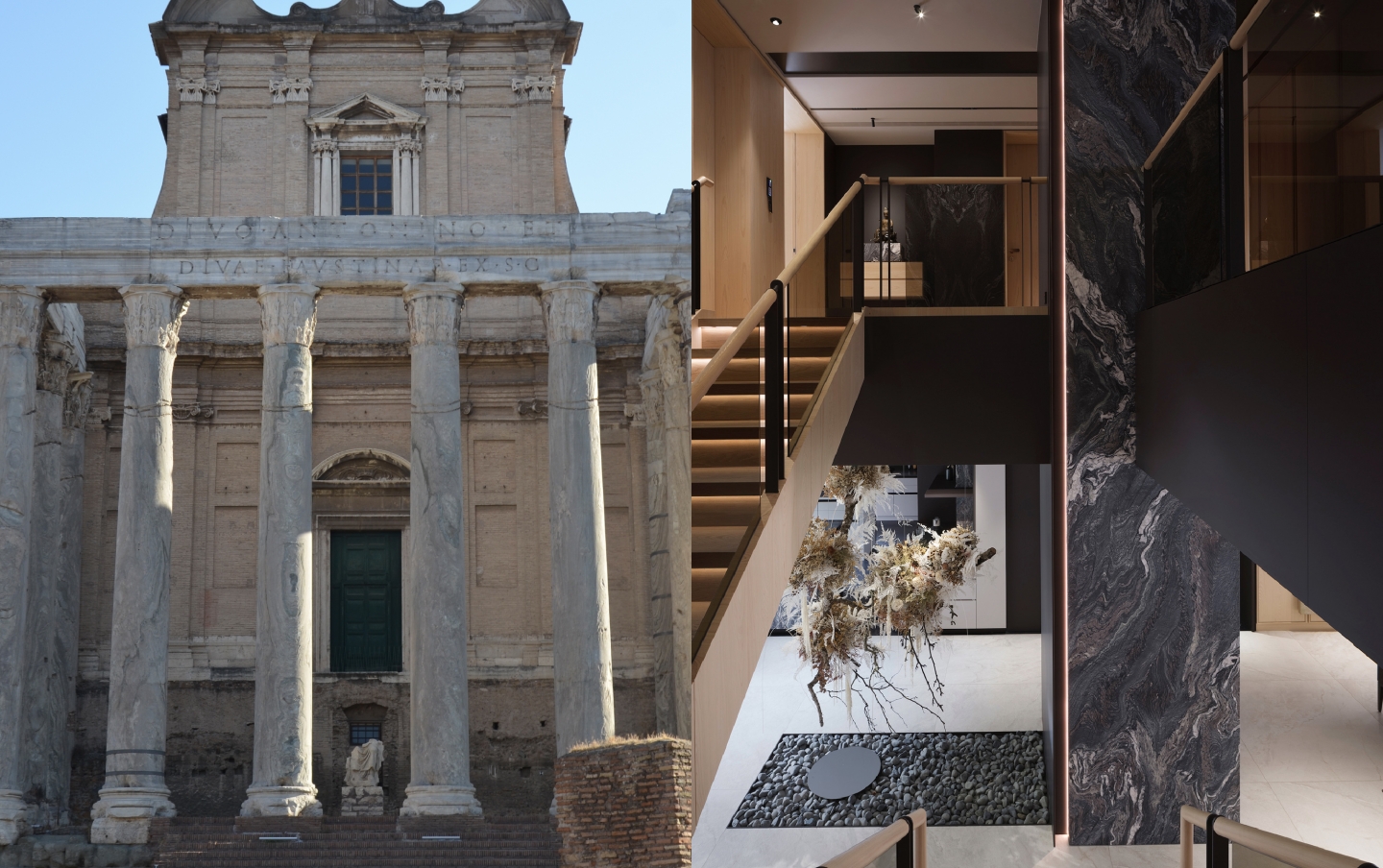
The Rise of the Roman Empire: Natural Stone as a Status Symbol
With the economic prosperity of the Empire and the formation of Mediterranean trade networks, commodities began to flow freely across regions. Among these, natural stone was prized as a precious luxury reserved for the elite. Quarries were predominantly state-controlled, yielding material exclusively for nobility, sacred architecture, and monumental civic infrastructure—far out of reach for the everyday citizen.
In northern Italy, the stable supply of high-grade Carrara marble became the bedrock of Roman sculpture and architecture. Widely deployed across civic walls, public thoroughfares, patrician residences, sacred temples, and monumental carvings, marble shaped both public and private realms. It profoundly influenced the Empire's artistic identity, embedding its status as a ultimate symbol of prestige.

Successive rulers inherited this affinity for extraordinary stone. As the Empire expanded, rare geological treasures from conquered territories were brought to Rome to showcase power, taste, and imperial might. Chief among these was Cipollino Marble.
Cipollino Marble
The usage of Cipollino Marble dates back to ancient Greece, with its primary modern quarries situated in Tuscany, Italy. It is celebrated globally for its remarkably dynamic chromatic variations and veining.
Derived from the Italian word "cipolla" (meaning onion), the name Cipollino describes the stone's layered, wave-like structure. Striations of violet, deep green, and ivory intersect in concentric sweeps reminiscent of tree rings—capturing the ancient temporal cycles of the earth. This powerful and instantly recognizable visual signature established Cipollino as one of Italy’s most iconic classical marbles.
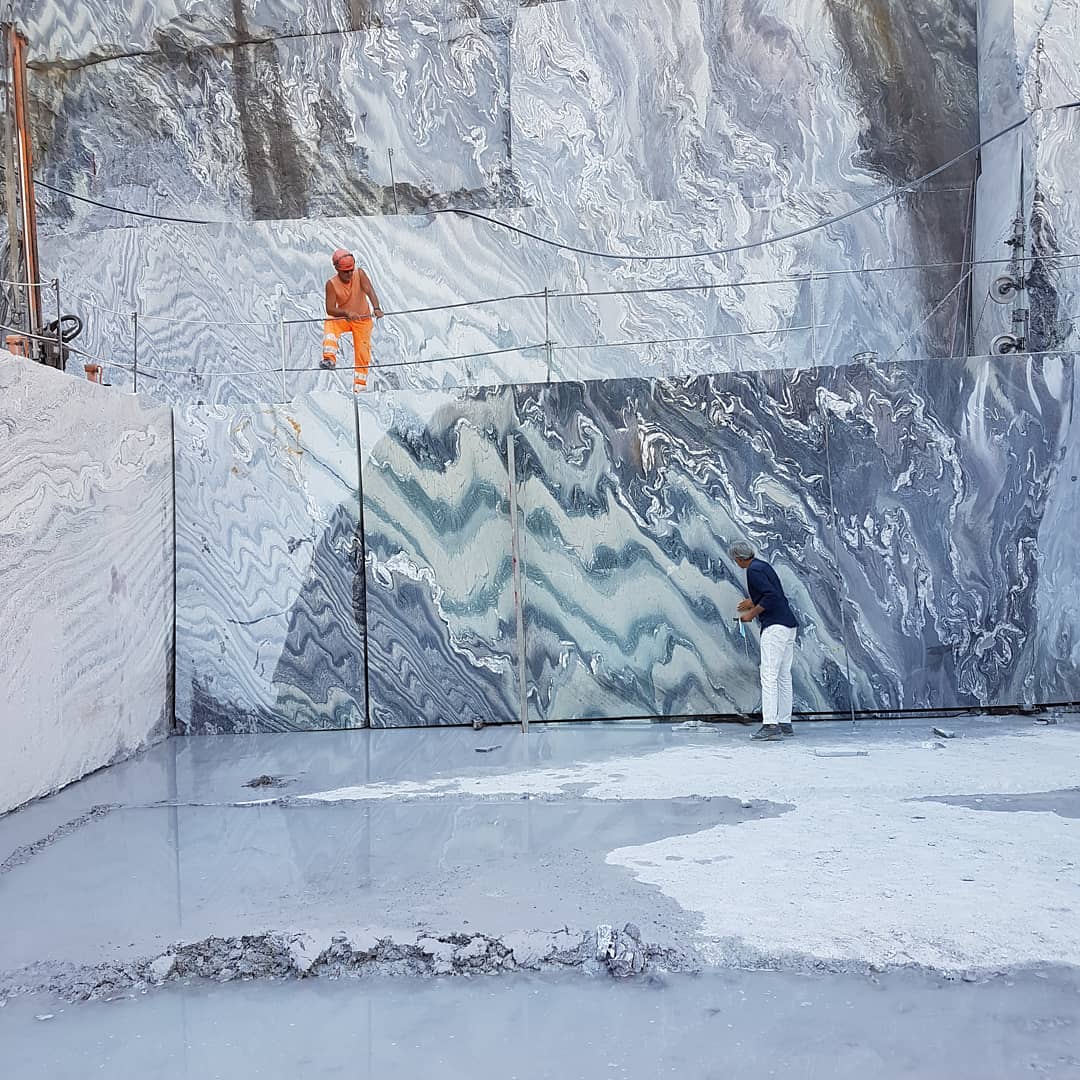
Historical records indicate its extensive use in the portico columns of the Temple of Antoninus and Faustina, Villa Adriana, the Roman Baths, and the monumental columns and disc structures of Ostia Antica. These applications demonstrate how thoroughly ancient Rome imported and mastered this stone within its vast Mediterranean trade network.
In 2021, a research team led by geologist Cees W. Passchier from Johannes Gutenberg University Mainz studied a 2nd-century AD Roman villa on the western coast of Turkey. They discovered that the walls of its reception hall were clad in Cipollino Marble. Utilizing 3D structural geological modeling, the team digitally reconstructed 54 scattered slabs, successfully revealing how ancient craftsmen used "book-matching" techniques to achieve stunning visual symmetry.
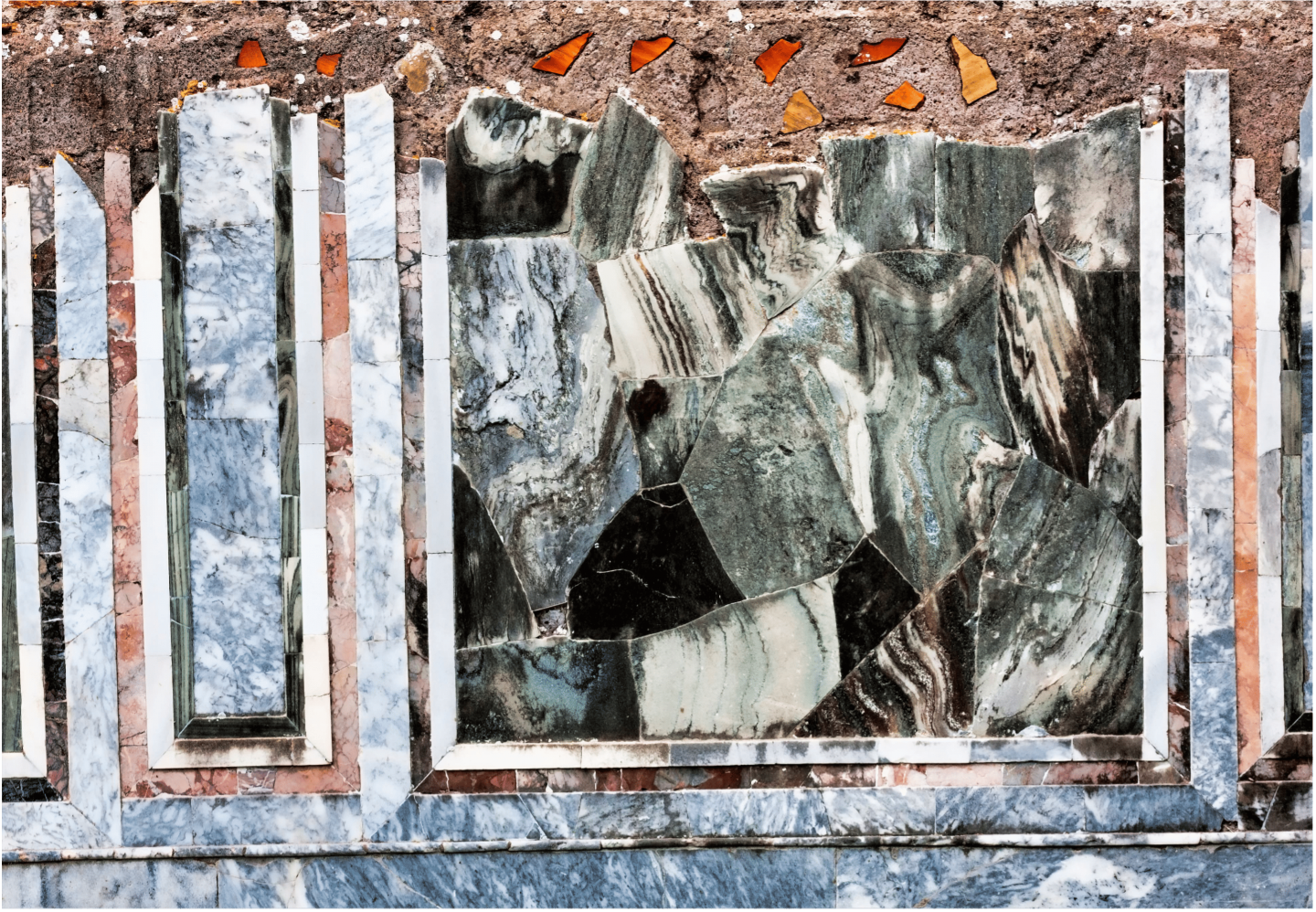
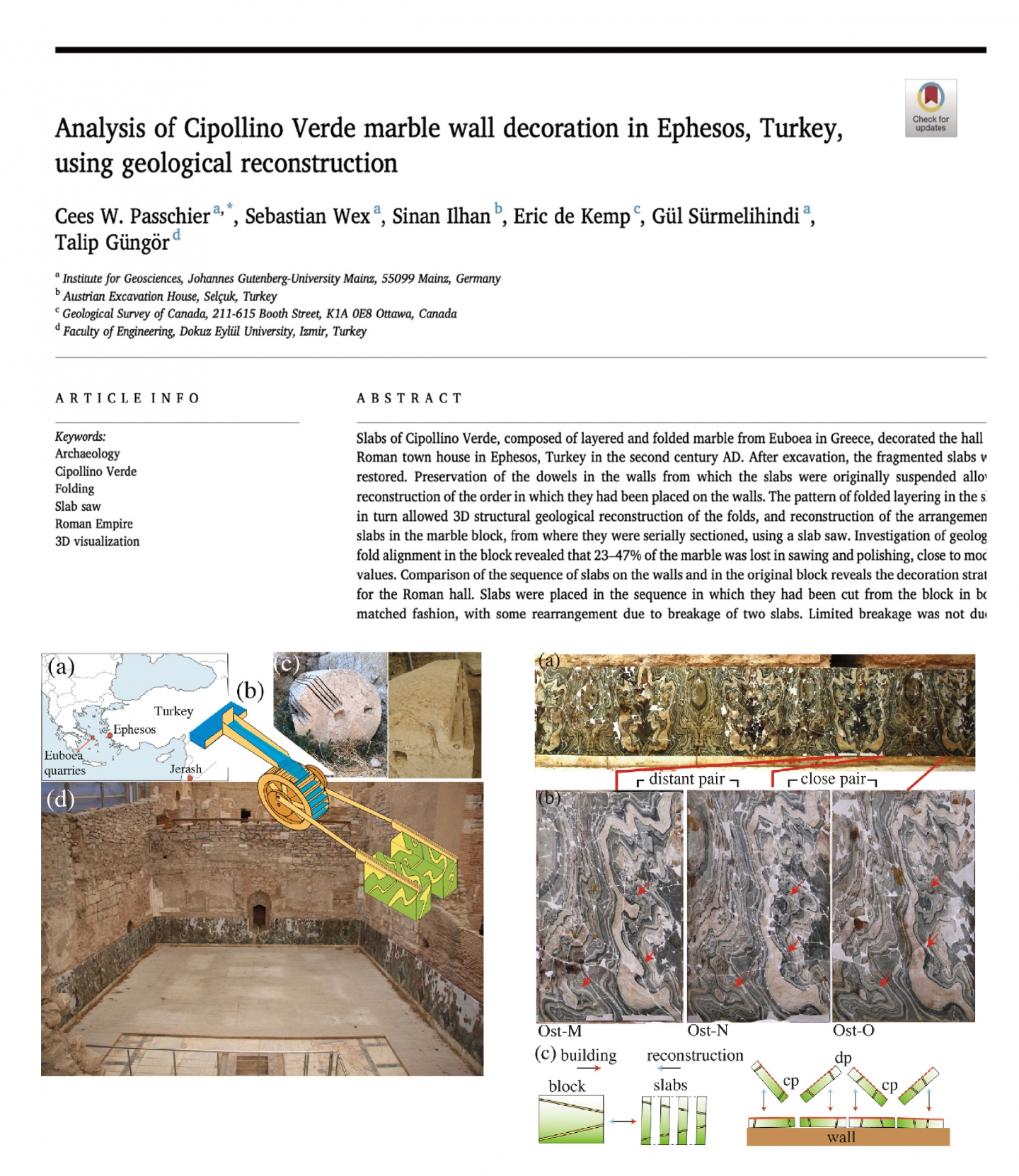
This interdisciplinary feat spanning archaeology, geology, and digital technology clearly reveals the Ancient Romans' sophisticated aesthetic consciousness and astounding technical precision when working with natural stone.
Today, Cipollino Marble no longer resides solely within historical monuments. Re-entering spatial narratives through a more liberated, contemporary design vocabulary, it continues to evolve. Here is how designers across the globe are reinterpreting this two-thousand-year-old masterpiece today.
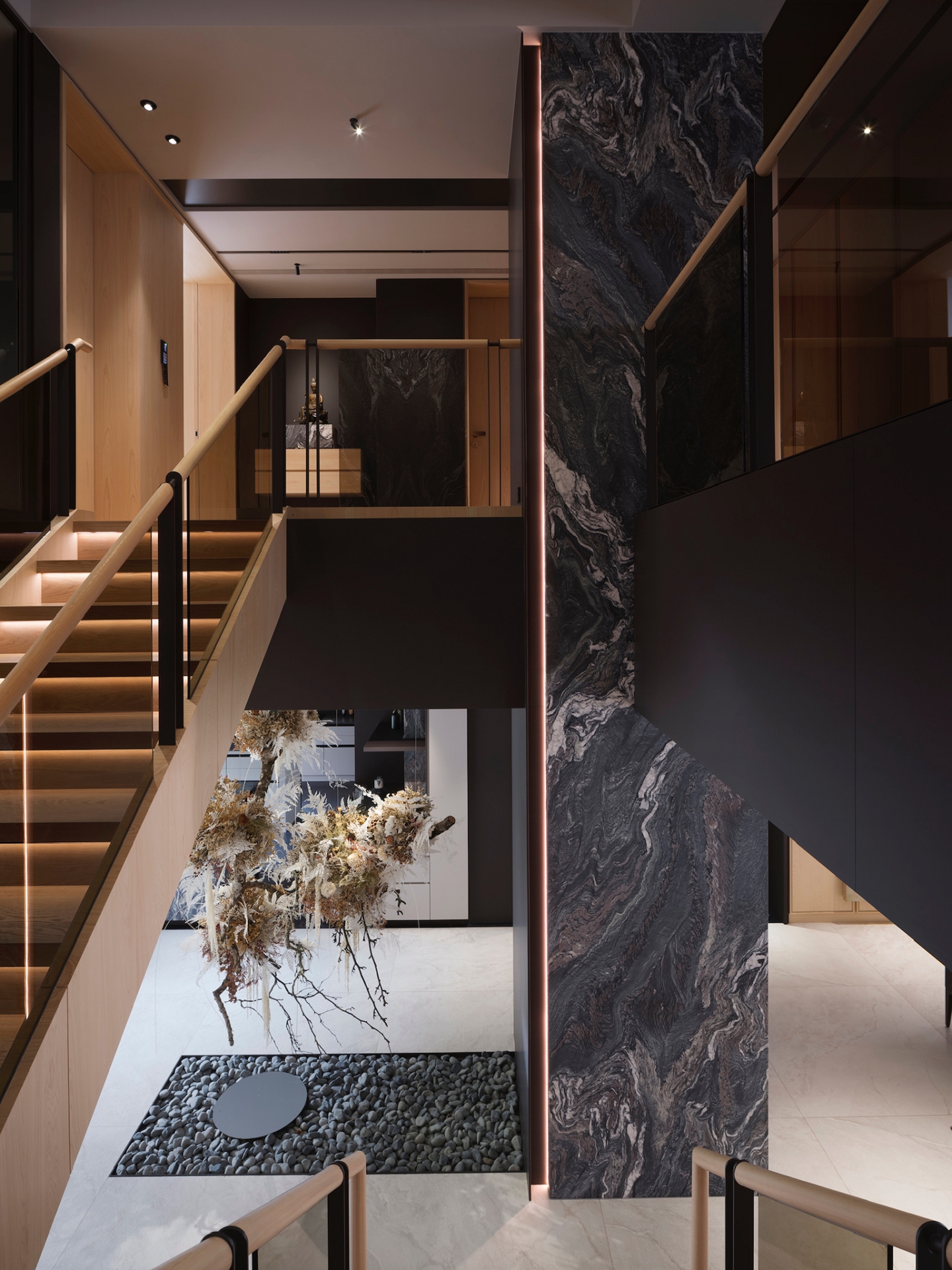
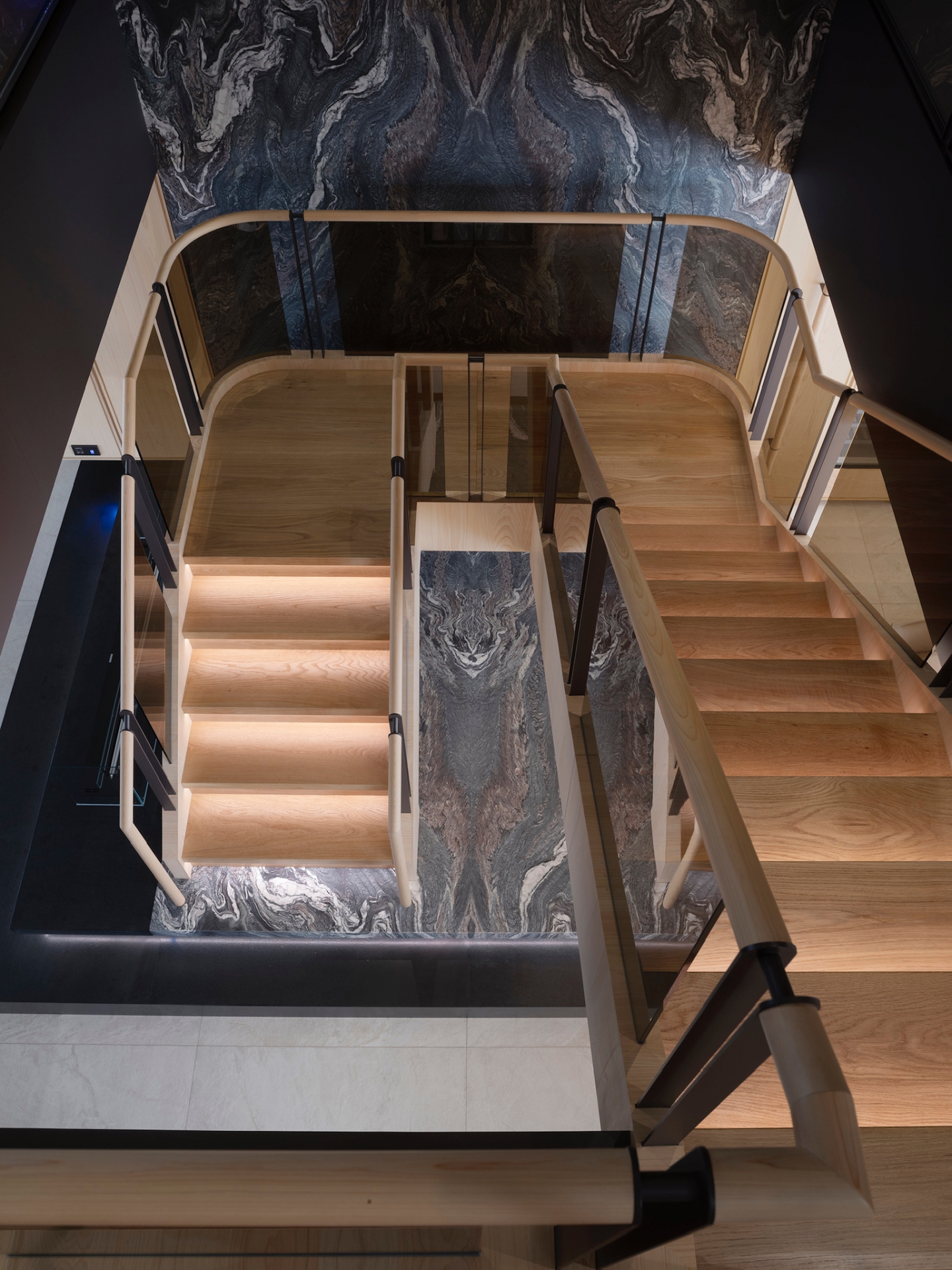
香遇: A Spatial Axis
Designed by Senjin Design,《香遇》uses subtle Hinoki cypress as its ambient canvas. Columns in the living area, walls in the tea room, the central stairwell, and the bar counter are all seamlessly bound together by the sweeping, majestic veining of Cipollino Marble. As the eye travels along the dramatic stone, the warm texture and natural fragrance of the cypress steps and handrails engage the senses, evoking the serene tranquility of nature.
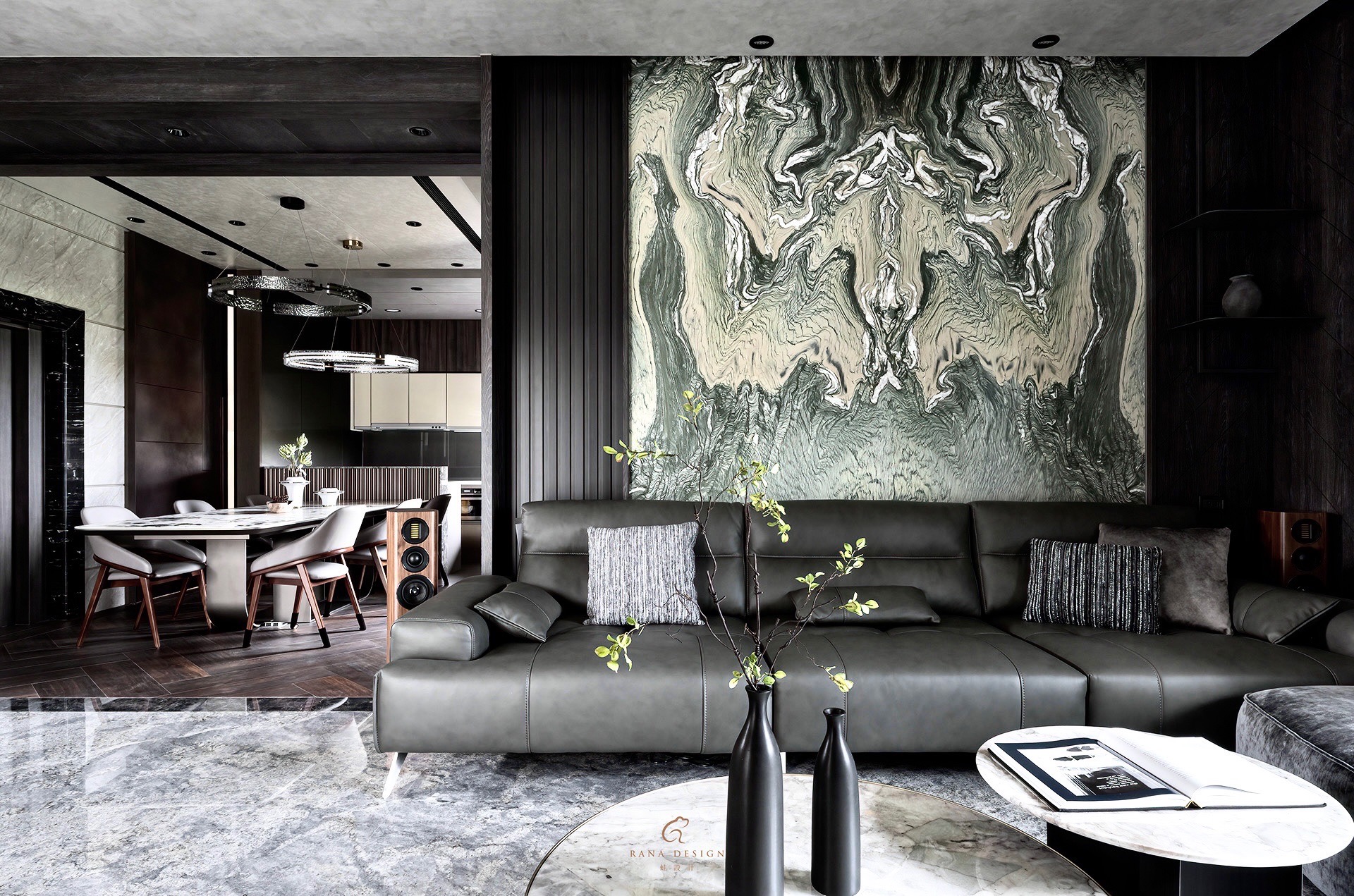 Precise Proportions: Balanced Presence in the Living Space
In a private residence by Rana Design, Cipollino Marble forms the sofa backdrop, serving as a grounded, architectural axis for the living room. Its vivid layers and large-scale grain carry a commanding, almost dramatic presence. However, through calculated proportions, negative space along the margins, and subtle material transitions, the stone integrates organically into the cadence of daily life.
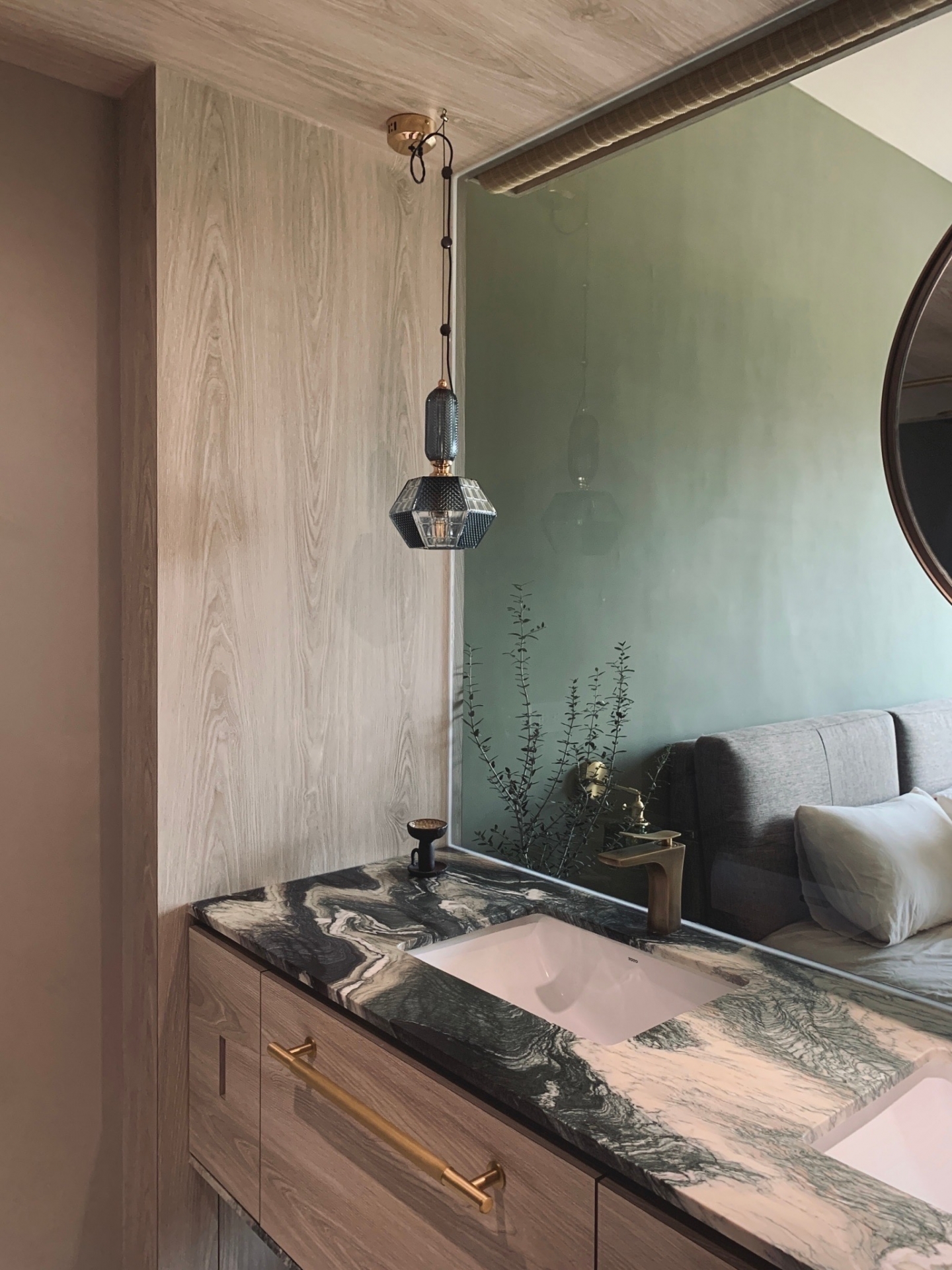 Serene Luxury: Like Living in the Mountains
In a Kaohsiung residence crafted by JC Design Studio, a young couple with an affinity for botanical green selected Cipollino Marble for their primary bathroom vanity. Paired with natural wood veneers, the stone balances tactile warmth with low-key luxury, reflecting the design team's sharp sensitivity to material pairing.
 Elegant Shanghai Cadence
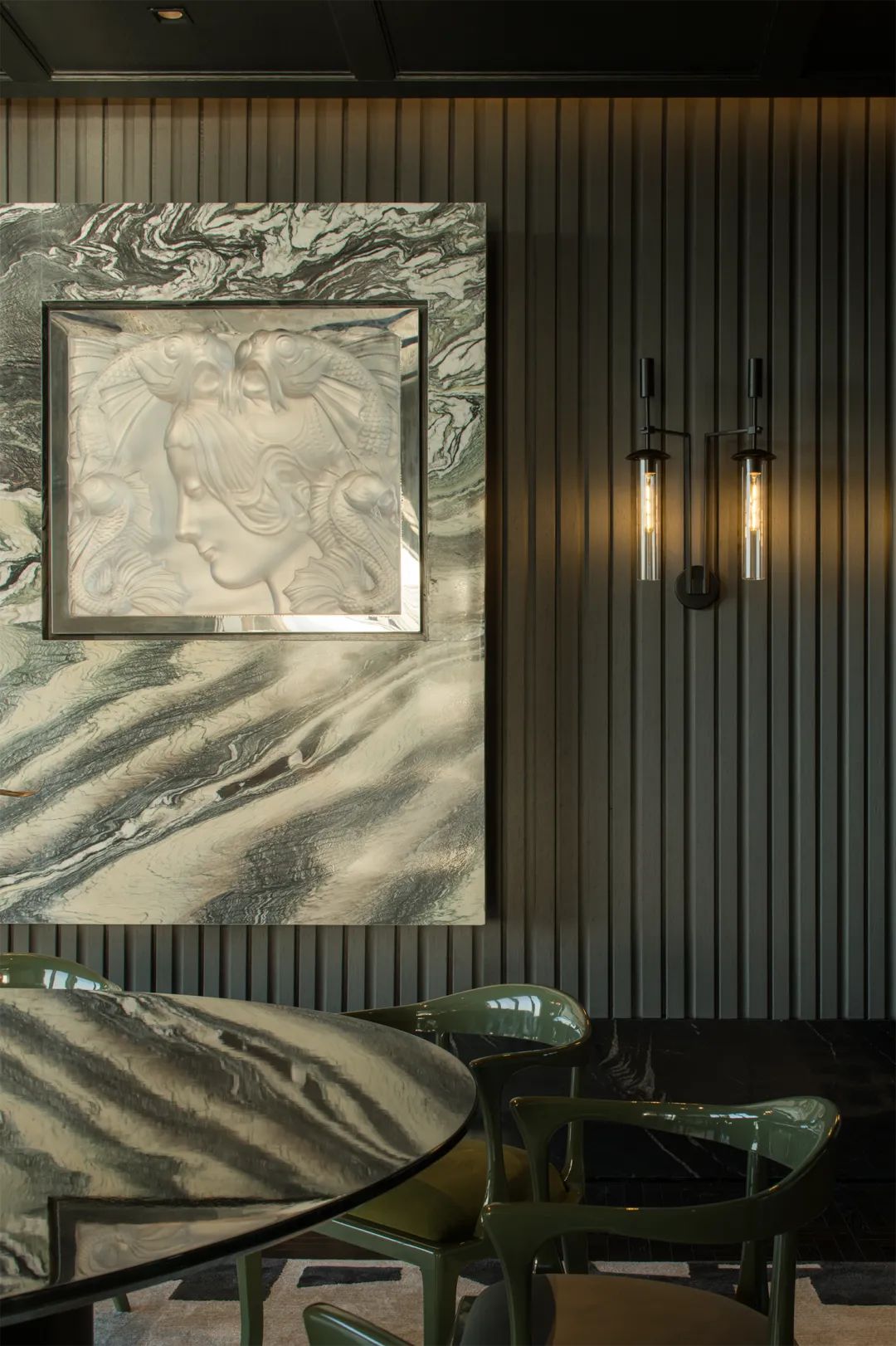
In Shanghai, ONE-CU Design rooted their concept in "Shanghai Cadence"—an understated elegance cultivated over generations of refined living. From the choice and placement of a single piece of furniture to the positioning of a traditional frog button on a garment, this aesthetic pursues a balance between proportion, texture, and symbolic meaning.
Within this context, Cipollino Marble is applied as decorative wall cladding that doubles as structural art. Defining spatial boundaries while honoring the city's penchant for intricate detail, the stone creates a plane where raw material, fine art, and spatial emotion naturally converge.
 Strength Meets Grace: Fluid Circulation Around Stone
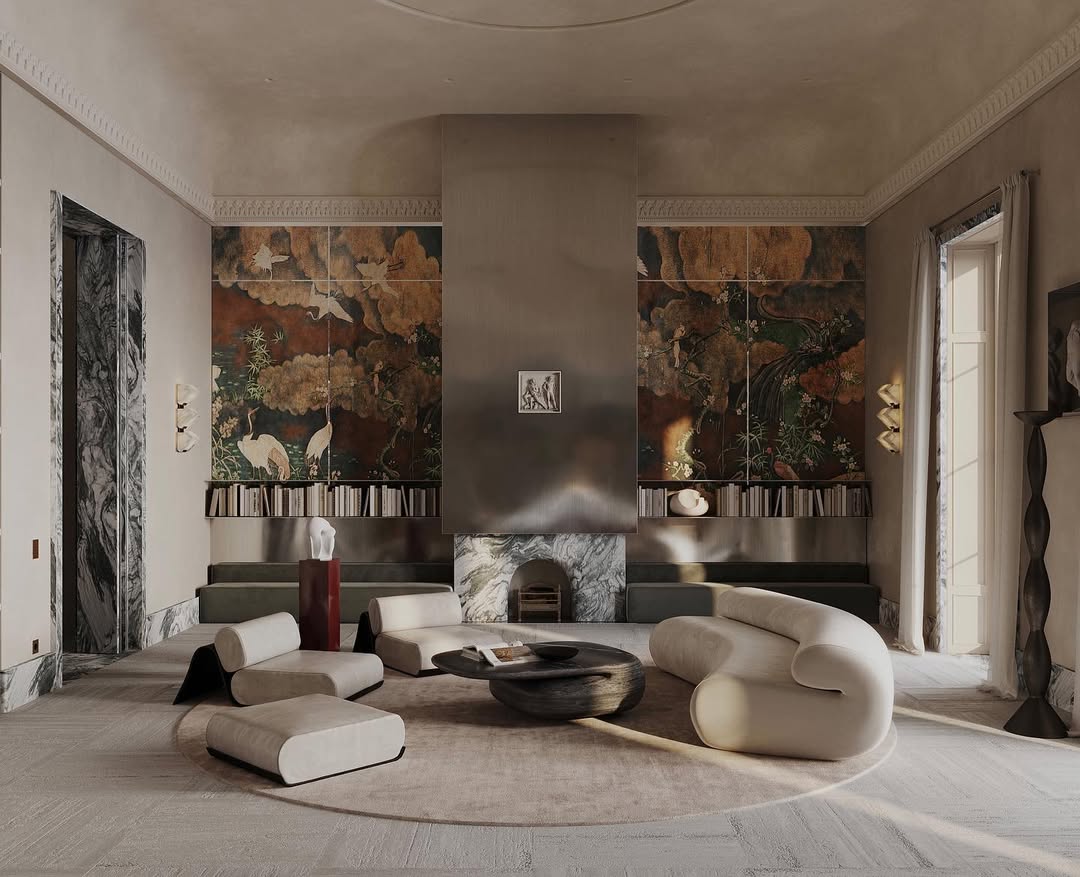
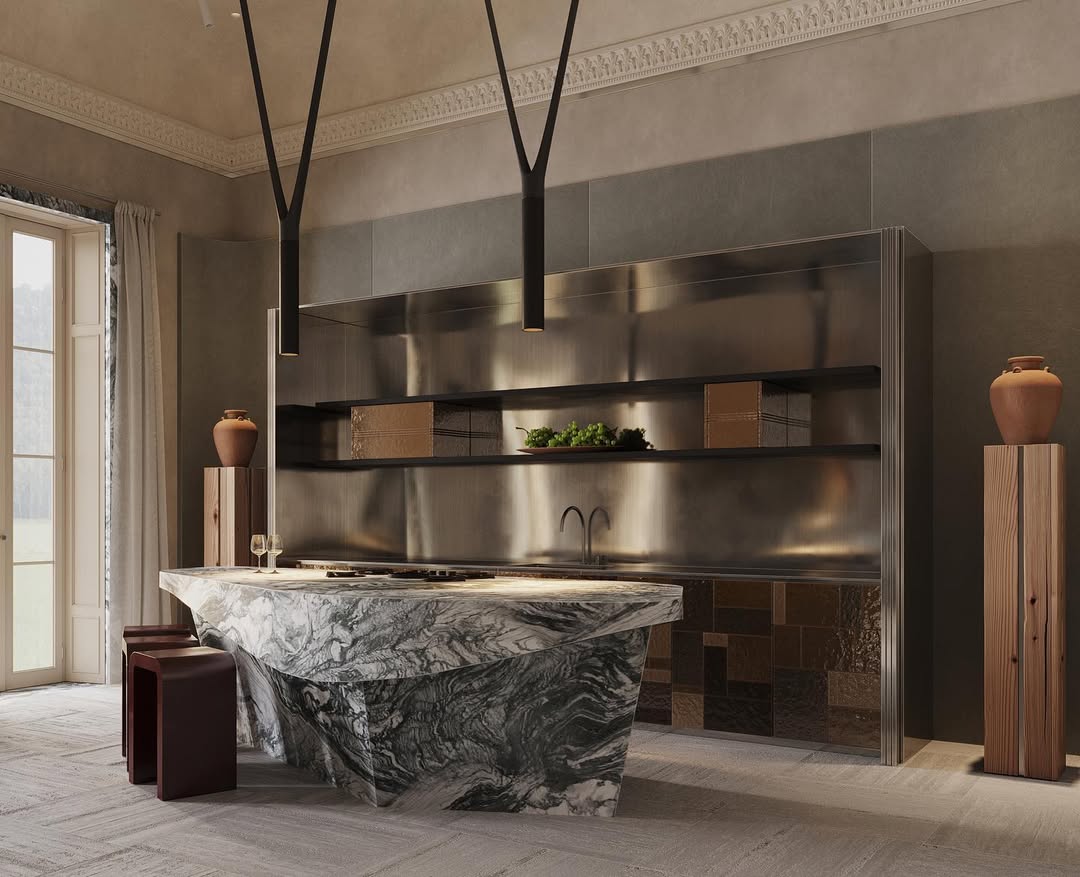
Conceived by Italian designer Tea Tolordava, a private villa in Monaco stands as a serene sanctuary that balances rigor and grace. Cipollino Marble anchors key functional positions, including the fireplace and sculpted kitchen island. Its sweeping natural grain juxtaposes sharply yet deliberately with brushed stainless steel and warm timber. Serving as the primary spatial anchor, the stone guides natural movement—drawing people to pause, work, and gather around its presence.
Unrivaled Inspiration: Reinterpreting History
Traversing geographies and styles across time, Cipollino Marble is continuously reinterpreted. It can be a commanding feature wall that defines a realm, a refined dining table or countertop that hosts daily rituals, or a narrative axis guiding the spatial atmosphere.
Carrying nearly 2,000 years of history, this extraordinary stone infuses contemporary design with profound depth—coexisting with nature while echoing human culture.
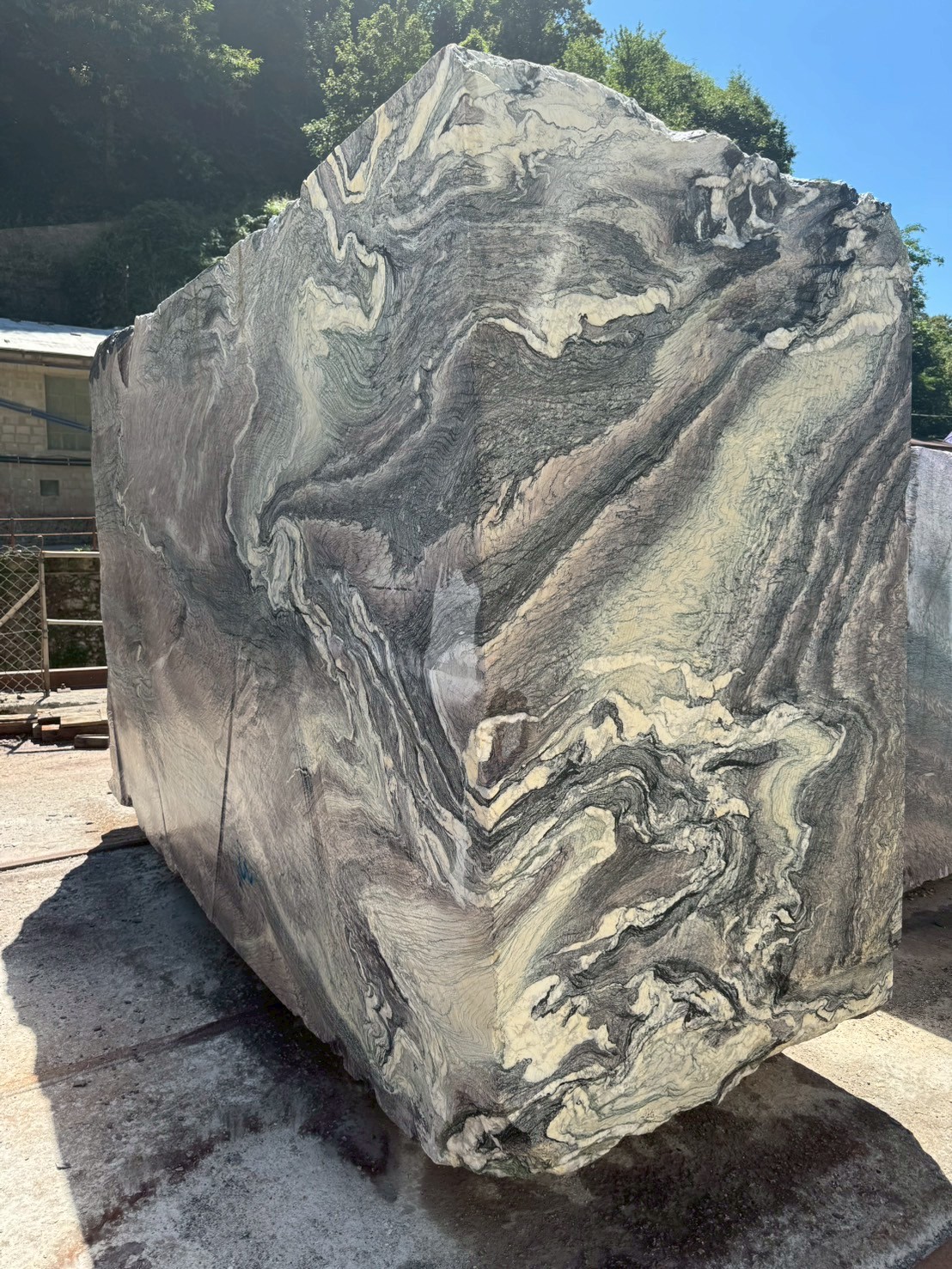
With new shipments of Cipollino Marble arriving at our port soon, we look forward to exploring the endless creative possibilities it will unlock in your future spaces.
✦ 【Click Here for Digital Stone Selection】to explore our collector-grade virtual gallery.
✦ 【Connect via LINE Official Account】to begin a personalized consultation with our luxury stone specialists!
By Emilia|品牌視覺設計 & 奢石俱樂部 內容策劃
-

Design Inspiration One Vision, Three Icons: How Michelangelo Shapes Brazil’s Masterpieces in Natural Stone -
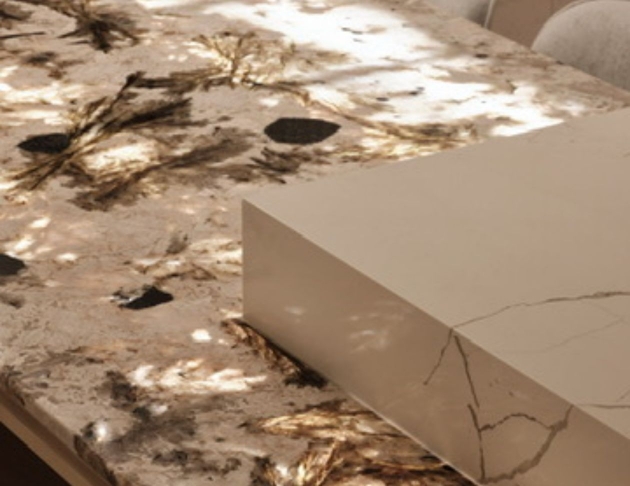
Design Inspiration 5 Masterpiece Luxury Stones Worth Collecting: CHENHOW’s Annual Private Selection -
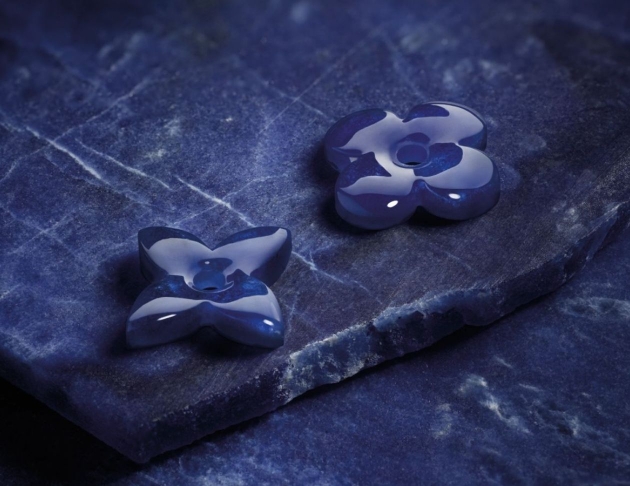
Design Inspiration From Louis Vuitton High Jewelry to Bespoke Architecture: The Rediscovery of a Rare Blue Mineral -

Design Inspiration The Architectural Vision of BVLGARI: Weaving Roman Heritage into Fifth Avenue -

Design Inspiration Tactile Gravity: Bottega Veneta’s Architectural Language of Weight and Stone -

Design Inspiration Architectural Minimalism: How Celine Sculpted Modern Luxury in Stone -
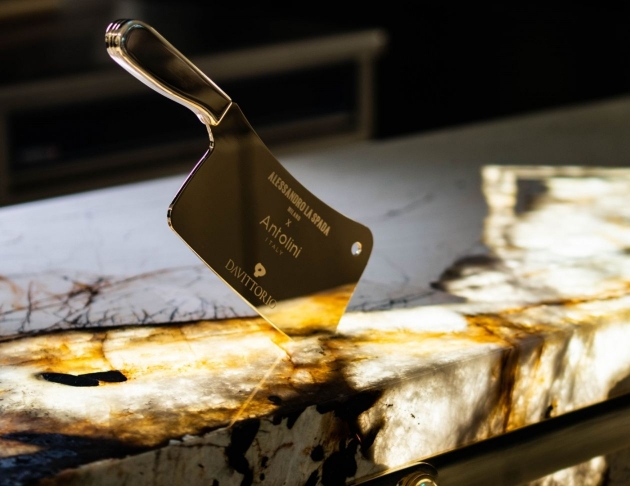
Design Inspiration Pioneering Italian Natural Stone: How Antolini Redefines Luxury Through Design and Innovation -
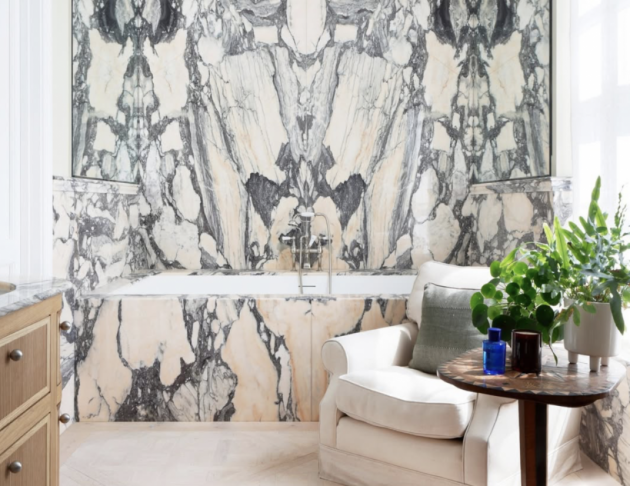
Design Inspiration Boundless Vision: Contemporary Natural Stone Artistry in Residential Design by ELLE Decoration UK -
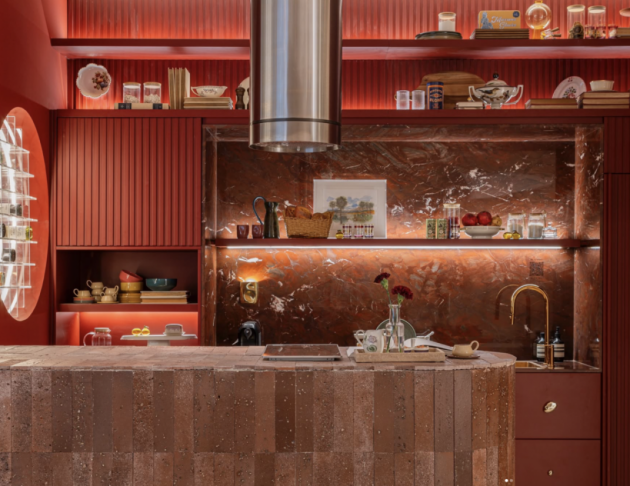
Design Inspiration The Red Wave: How Gucci’s Designated Luxury Stone Redefines Spatial Elegance -
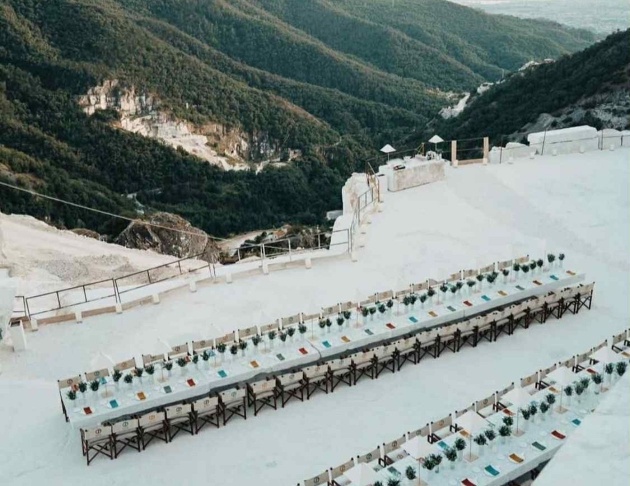
Design Inspiration Journey to the Source: An Immersive Sensory Gala Inside Italy’s Legendary Marble Quarries -

Design Inspiration Beyond Ordinary Marble: How Michelangelo Nuvolato Transforms Kitchen Spaces -
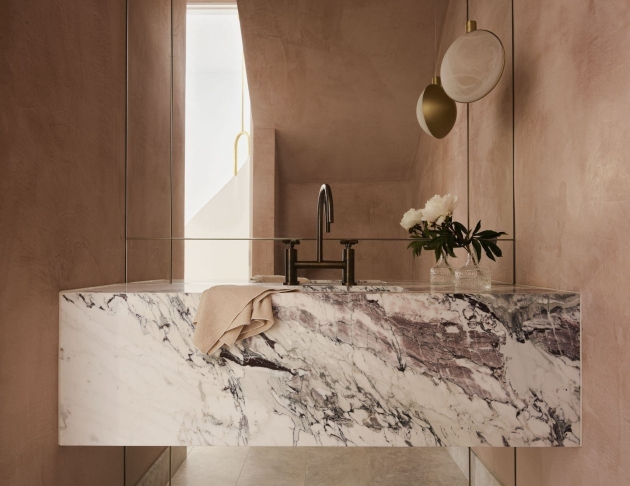
Design Inspiration Sydney Design Inspiration: Smac Studio’s Art of Bringing Italian Luxury Stone into Everyday Living -
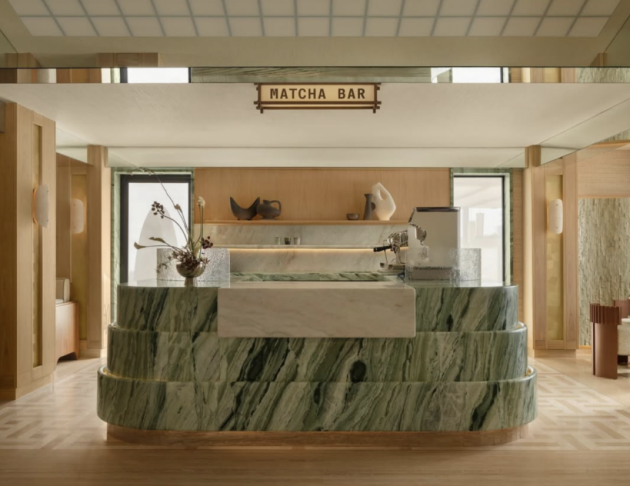
Design Inspiration Breathing Like the Mountains: Four Contemporary Design Expressions of This Green Marble